


- Fact Checked
- February 07, 2026
- 13 min read
How Long Does Menopause Weight Gain Last? What You Need to Know

-
Written by
Hans Graubard
• Updated on March 12, 2026

Dietary supplement manufacturing, regulatory and product development, and DTCt; leadership experience...
- Updated on March 12, 2026
Table of Contents
Table of Contents
If you've noticed the scale creeping up or your favorite jeans fitting a little snugger during menopause, you're not alone. Weight gain is one of the most common—and most frustrating—symptoms women experience during this life transition, and if you’re like so many women, you are wondering, “... is it permanent?”
The short answer is no. Menopause weight gain doesn't have to be your new normal. While the timeline to lose the weight varies for every woman, the first step is always to dig in deeper to understand the connection between menopause and weight gain so you can tackle it strategically. The more aligned with the root cause, the most success you will have.
This post is for informational purposes only and does not constitute medical advice. See full disclaimer below.
Why Does Menopause Cause Weight Gain?
Even if you are the type of person who enjoys a sweet treat now and again or a glass of wine with dinner, there is a lot more going on when it comes to menopausal weight gain than just diet1. Menopause isn’t just about the end of your reproductive years; it’s a process that affects every system in your body.
Let’s talk about all the factors that contribute to weight gain, so that the strategies we discuss later make a bit more sense.
Hormonal Chaos Is Real
During perimenopause and menopause, your estrogen levels take a nosedive, and progesterone production also declines2. These hormonal changes don't just cause hot flashes and mood changes (though you’re probably experiencing those, too). They fundamentally alter how your body stores and distributes fat.
With less estrogen, your body starts favoring abdominal fat storage over other areas3. This shift toward visceral fat (or the deep belly fat that wraps around your organs) is why many midlife women notice their waistline expanding even if the number on the scale hasn't changed dramatically.
Your Metabolism Hits the Brakes
As if hormonal changes weren't enough, menopause also slows your resting energy expenditure, or the number of calories your body burns just existing4. This means that even though your diet may have stayed the same, you are actually operating as a calorie surplus compared to premenopausal years. This metabolic shift is actually a key driver of weight gain during this life stage.
Muscle Loss Accelerates
Even in the fittest of us, the reality is, muscle mass naturally declines as we age, and this process speeds up during the menopause transition5. Since muscle burns more calories than fat, losing lean body mass means your metabolism slows even further. Luckily, there are ways to counteract this, and it’s important that you do, since retaining muscle mass has been associated with better long-term health outcomes across the board.
Sleep Disturbances Create a Perfect Storm
Between hot flashes, night sweats, and racing thoughts, quality sleep often becomes elusive during menopause6. Sleep loss doesn't just leave you exhausted, it also disrupts hormones that regulate hunger and satiety, potentially leading to increased appetite and poor food choices. Plus, when you're tired, you're less likely to hit the gym or prep that healthy meal you planned.
Lifestyle Changes Pile On
Maybe you're dealing with joint pain that makes exercise uncomfortable, or perhaps you're navigating other life stressors that have you reaching for comfort foods more often. Changes in eating habits and decreased physical activity during this life stage can compound problems caused by shifts in hormones and metabolism. Many women find that the same activity level that kept them at a healthy weight in their 30s just doesn't cut it anymore7.
So, How Long Does Menopause Weight Gain Actually Last?
There's no one-size-fits-all answer, but research gives us some helpful insights.
Most women experience the most significant weight gain during the initial menopause transition (also known as perimenopause) and in the first few years after their final menstrual period8. Studies show that women can gain an average of 5-10 pounds during this time, with some experiencing more depending on their baseline body weight, genetics, and lifestyle factors.
The rate of weight gain tends to peak during perimenopause and typically slows down or reaches a plateau in postmenopause (usually within 2-5 years after your last period)9. However, this doesn't mean the extra weight automatically disappears. Without intervention, many postmenopausal women maintain this increased body weight or continue to see gradual fat gain as part of the natural aging process.
Notice how we said “without intervention.” This means there are things you can do to combat menopausal weight gain10. While your body composition has changed, it is not incapable or losing weight and absolutely responds to the right strategies. With targeted lifestyle changes, the right support, and a little patience (all of which we’ll get into later), you can achieve weight loss during and after menopause—and more importantly, you can prevent further weight gain.
One important point before we move on: for women who've had a hysterectomy, the timeline for weight gain and loss can be slightly different, as the sudden drop in hormones may trigger more rapid changes in body composition11. But the same principles apply: early intervention and consistent healthy habits make a huge difference.
Recognizing the Signs of Menopause Weight Gain
So how do you know if what you're experiencing is specifically menopause-related or just general weight gain12? Here are some telltale signs:
- Changes in fat distribution: You're gaining weight primarily around your midsection, even if your arms and legs stay relatively slim13. Your waist circumference and waist-to-hip ratio have increased, creating what's often called "menopause belly."
- Accompanying menopause symptoms: Weight gain is happening alongside hot flashes, irregular periods, mood changes, vaginal dryness, trouble sleeping, memory problems, lowered libido, mood swings, irritability, or depression and anxiety14.
- Timing: The weight gain coincides with perimenopause or postmenopause (which is in your 40s-50s for most women15.
If you're experiencing several of these symptoms together, it's likely that hormonal changes are playing a significant role in your weight struggles and overall quality of life.
What Are the Real Risks of Menopause Weight Gain?
While fitting back into your favorite outfit and feeling confident in your body are two major motivators for women to lose the weight gained during menopause, there are other health reasons to consider16. Excess abdominal fat and obesity carry serious health implications for women's health and overall wellness.
Visceral fat and belly fat are metabolically active and have been linked to increased risk of several health conditions, including:
- Heart disease, cardiovascular disease, and high cholesterol
- Type 2 diabetes and insulin resistance
- Hypertension (aka high blood pressure)
- Sleep apnea
- Osteoarthritis and increased joint pain
- Depression and other mental health challenges
- Osteoporosis (as estrogen decline affects bone density)
- Obesity-related complications
The connection between menopause weight gain and insulin resistance is particularly concerning, as it creates a vicious cycle where it becomes even harder to lose weight17.
These risks are not meant to scare you (at Happy V, we’re not about scare tactics), but meant to empower you to take control of your health and get the most out of this next chapter of life. Because you deserve it.
Managing and Preventing Menopause Weight Gain
Now that we understand the causes of weight gain and the risks, let's talk solutions18. What do doctors say is the key to managing menopause weight gain? For most healthcare professionals, effective weight loss strategies aren’t about any one thing, but creating an effective, multi-pronged approach that addresses the hormonal, metabolic, and lifestyle factors at play.
Revamp Your Diet
Don’t worry. We aren’t going to talk about deprivation. But the reality is, your metabolism is shifting, so your diet should shift along with it19. Your body needs fewer calories to get through the day now, and you want to make sure those calories are quality.
When it comes to menopausal clients, doctors and nutritionists often suggest strategies like:
- Embracing a healthy diet like the Mediterranean diet: Fill your plate with colorful vegetables, fruits, whole grains, lean protein (like fish, chicken, and legumes), healthy fats from olive oil and nuts, and moderate amounts of dairy20. This particular eating pattern has been shown to help with weight management and reduce cardiovascular disease risk.
- Limit certain foods. These include excessive alcohol (which is calorically dense and can also worsen hot flashes), excessive caffeine (which can further disrupt sleep), and processed foods high in sodium (which can cause bloating and inflammation).
- Practice portion control: An overall slower metabolism means you might need to consume fewer calories than you did in your 30s21. This doesn't mean starving yourself, just being mindful about serving sizes and listening to your body's hunger cues to maintain a healthy weight.
- Focus on calorie reduction, but don't go extreme: Modest calorie reduction (about 200-500 calories per day) combined with increased physical activity is more sustainable and effective than crash dieting, which can actually slow your metabolism further and increase the risk of weight gain rebound22.
- Watch your carbohydrates: Focus on complex carbs from whole grains and vegetables rather than refined carbohydrates and added sugars, which spike insulin and promote fat storage23.
- Don't skip meals: This can backfire, causing blood sugar crashes and overeating later24. Instead, aim for balanced meals throughout the day to keep your energy and metabolism steady.
Move Your Body in Smart Ways
You might need to work out differently than you did in your 30s, and that’s okay. Getting a good workout doesn’t have to look like what it did ten or even five years ago.
The best exercise for menopause weight loss is typically a combination approach that incorporates:
- Strength training and resistance training: This is your secret weapon against muscle mass decline. Aim for at least 2-3 sessions per week, targeting all major muscle groups. Weight-bearing exercises like lifting weights, using resistance bands, or bodyweight exercises help rebuild the lean body mass you're losing, which revs up your metabolism and supports healthy body composition25.
- Cardio exercises: Aerobic exercise (think: brisk walking, swimming, cycling, or dancing) burns calories and improves cardiovascular health26. Aim for at least 150 minutes of moderate-intensity activity per week. Regular exercise is crucial for weight loss and weight management.
- Balance exercises: As we age, maintaining balance becomes increasingly important for preventing falls and staying active27. Yoga, tai chi, or simple balance drills can help.
Along with formal workouts, it’s important to continue to integrate movement into your daily routine. Take the stairs, park farther away, dance while cooking, and play with your grandkids. Every bit of physical activity counts toward your daily total and helps counteract the risk of weight gain that comes with a sedentary activity level.
Prioritize Sleep
Improving sleep quality can significantly impact weight management and overall wellness28. Create a cool, dark sleeping environment to combat night sweats, establish a consistent bedtime routine, limit screen time before bed, and consider relaxation techniques like deep breathing or meditation.
If hot flashes are wreaking havoc on your sleep, addressing them directly can make a huge difference. This is where comprehensive menopause support becomes essential.
Consider Medical & Supplemental Support
Lifestyle changes are the foundation of an effective weight loss plan, but sometimes you need extra support, especially when it comes to weight gain brought on by menopause29. Ask your doctor about:
- Supplements for symptom relief: If menopause symptoms like night sweats are affecting your sleep and making it hard to stick with your healthy lifestyle plan, consider supplements that address multiple symptoms of menopause simultaneously, particularly those that support healthy sleep, mood balance, and energy levels, all of which indirectly impact weight management and can improve your quality of life.
 New
New
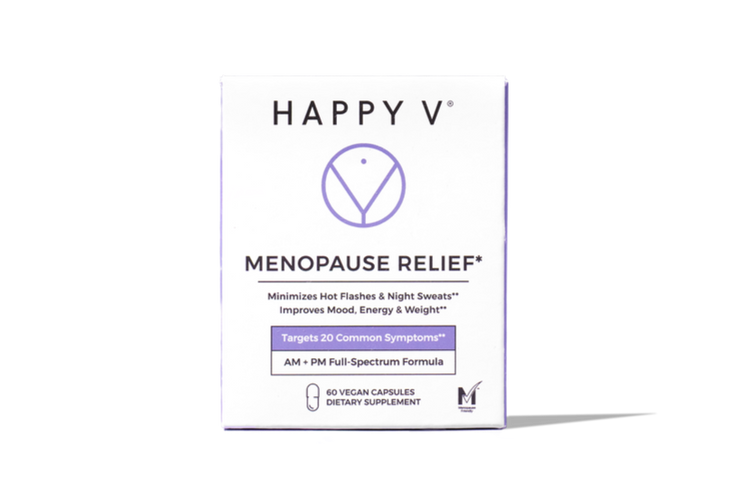
Menopause Relief AM + PM
Supports mood, energy and weight. Minimizes hot flashes and night sweats.
Happy V's dual-formula Menopause AM + PM is specifically designed with this holistic approach in mind. The AM formula helps you tackle daytime symptoms like brain fog and fatigue, while the PM formula supports restful sleep and reduces those disruptive night sweats. When you're sleeping better and feeling more energized, you're naturally more likely to make healthy food choices and stay active, two key factors in managing menopause weight gain.
- Hormone replacement therapy (HRT) or menopausal hormone therapy: For some women, hormone therapy can help reduce abdominal fat accumulation and may make weight management easier by addressing estrogen levels and other hormonal imbalances30. However, it's not right for everyone due to potential side effects, so discuss the risks and benefits with your healthcare provider.
- Weight loss medications: In some cases, doctors may recommend GLP-1 medications like semaglutide or other appetite suppressants for women with significant weight gain, obesity, or obesity-related health conditions31.
- Alternative approaches: Some women find relief through acupuncture, herbal therapy, mindfulness-based stress reduction training, or psychological support. While evidence varies, these approaches may help manage stress and emotional eating patterns.
Address the Mental and Emotional Toll
Don't underestimate the power of stress management for your mental health and weight. Chronic stress elevates cortisol, which promotes abdominal fat storage. Finding healthy ways to cope with life events, whether through therapy, meditation, journaling, or spending time with loved ones, is crucial for both your mental health and your waistline.
Bottom Line: Your Body Isn’t Broken
Remember, your body hasn't broken. It's just changed. And while you can't turn back the clock on hormone production, you can adapt your lifestyle to work with your body's new reality instead of against it.
Postmenopausal women who successfully manage menopause weight gain and maintain a healthy weight typically:
- Start making lifestyle changes early in the menopause transition or perimenopause
- Take a comprehensive approach that addresses healthy diet, regular exercise, sleep, and stress
- Stay consistent with healthy habits even when weight loss progress feels slow
- Seek support when needed, whether from healthcare providers, supplements, or community
- Focus on overall health, body composition, and wellbeing, not just body mass index (BMI) or the number on the scale
- Understand that reducing the risk of weight gain is just as important as losing extra weight
With the right strategies in place, your body will respond. It might take longer than it did in your 20s, and you'll need to be more strategic about your approach, but weight loss during and after menopause is entirely possible for midlife women.
This isn't a sprint; it's a marathon. You're not just trying to lose weight; you're building a healthy lifestyle and sustainable habits that support your health and wellness for the next chapter of your life.
Keep the Conversation Going
- Visit our blog for more women's health tips.
- Join our private Happy V Facebook group to hear from others who've been there.
- Explore supplements designed to support your vaginal health journey.
Disclaimer: This blog is for informational and educational purposes only and is not intended to diagnose, treat, cure, or prevent any disease. Statements about supplements have not been evaluated by the Food and Drug Administration. For more information about vaginal infections, visit the CDC or speak to a licensed healthcare provider.