

- Fact Checked
- September 16, 2026
- 10 min read
Hot Flashes or Histamine Intolerance? The Hidden Perimenopause Symptom No One Talks About

- Written by Daniella Levy • Updated on September 16, 2026
- Updated on September 16, 2026

Table of Contents
Table of Contents
You've cut out red wine. You skip the spicy leftovers, avoid aged cheese, and still, out of nowhere, your face flushes, your heart starts racing, and a headache sets in. Without an obvious trigger, you’ve chalked it up to "just perimenopause” or “just hormones.” But what if the hot flash you've been fighting isn't only about estrogen dropping? What if it's also a histamine reaction, one that estrogen is quietly fueling?
Perimenopause comes with a laundry list of potential symptoms, but there could be another layer that’s contributing to your symptoms: histamine intolerance. At a passing glance, it looks so similar to a traditional hot flash, even some doctors can overlook it, but there are some signs to look for that will help you distinguish one from the other.
This post is for informational purposes only and does not constitute medical advice. See full disclaimer below.
What Is Histamine Intolerance?
Most people are familiar with antihistamines, or the over-the-counter medicine traditionally taken for allergies, but are less familiar with histamine.
Histamine is a natural chemical your body uses for digestion, immune response, and communication in your nervous system. When everything’s functioning as it should, histamine gets released when it's needed and broken down when it's not, largely by an enzyme called diamine oxidase (DAO).
Histamine intolerance happens when histamine builds up faster than your body can clear it, whether because you're taking in too much through food, producing too much internally, or breaking it down too slowly. The result is a kind of chemical overflow. Once your histamine load crosses your personal threshold, symptoms start appearing, and they can show up almost anywhere in the body.
How Estrogen and Histamine Are Linked
Perimenopause is a time when histamine intolerance starts to surface for many women, and that’s because there’s a two-way relationship between estrogen and histamine, one that becomes more disruptive as your hormones start to fluctuate.
The Estrogen-Histamine Feedback Loop Explained
Estrogen and histamine are in constant conversation with each other, and during perimenopause, that conversation gets… complicated.
Estrogen stimulates mast cells (aka the immune cells that store and release histamine) to release more of it. Then histamine, in turn, can stimulate your ovaries to produce more estrogen. In a stable hormonal environment, this loop stays in balance. But as you may know from experience, perimenopause is anything but stable. Estrogen surges and dips unpredictably during this life stage, and each surge can trigger a histamine release, which then feeds back into more estrogen activity.
What Happens to DAO (Diamine Oxidase) When Estrogen Drops
DAO stands for diamine oxidase, and it's the enzyme your gut uses to break down histamine after you eat. Think of it as the cleanup crew. The more efficiently it works, the less histamine builds up in your system.
Estrogen helps your body make DAO. When estrogen becomes erratic in perimenopause, DAO drops along with it. So right when your body is releasing more histamine, it also loses some of its ability to clean that histamine up. That one-two punch is why ordinary foods, wine, or a stressful day can suddenly trigger symptoms that never used to bother you.
As for why this happens to some women and not to others, genetics may be to blame. Some women may just be more sensitive to this than others, which is part of why histamine intolerance can feel so disruptive to some women and barely registers for others.
Hot Flash or Histamine Reaction? Hot to Spot the Difference
Because histamine and estrogen both act on your blood vessels, nervous system, and skin, the symptoms of a traditional hot flash are nearly identical to a histamine response. They include:
- Flushing and skin reactions, including hives
- Heart palpitations and a racing pulse
- Headaches and migraines
- Dizziness
- Nasal congestion, sneezing, or a runny nose
- Bloating, abdominal pain, or diarrhea
- Insomnia and anxiety
- Menstrual cycle irregularities
There are some key differences to look for, however, that may clue you in to what you’re experiencing.
A classic hot flash tends to build and pass in a few minutes and is often independent of what you ate. A histamine reaction, on the other hand, is more likely to follow a pattern. It shows up within 20 to 60 minutes of eating high-histamine foods or drinking alcohol, for example, and it often brings digestive symptoms (bloating, nausea, diarrhea) or skin symptoms (itching, hives, urticaria) along with the flush.
If you notice your "hot flashes" cluster around wine, leftovers, or a particular meal, histamine is worth a closer look.
Common Histamine Triggers to Know During Perimenopause
While histamine may be a new concept, the good news is that its triggers are fairly easy to understand and fall into one of two main categories: what you eat, and what's happening in your body and environment.
High-Histamine Foods (and the Ones That Block DAO)
Some foods carry a naturally high histamine load, especially anything aged, fermented, or slow-cooked, since bacteria break down proteins into histamine and other biogenic amines over time. Common culprits include:
- Aged cheeses and cured or processed meats
- Fermented foods like sauerkraut
- Red wine, champagne, and beer
- Smoked fish, sardines, mackerel, and tuna
- Vinegar-based condiments
- Spinach, tomatoes, eggplant, and avocado
- Citrus fruits, strawberries, and pineapple
- Chocolate, legumes, and peanuts
Some foods aren't especially high in histamine themselves but block DAO or trigger histamine release from mast cells, which has a similar effect. Examples of these kinds of foods are bananas, citrus, and egg whites.
Alcohol is considered a kind of double whammy. It’s high in histamines and blocks DAO.
Non-Food Triggers
Along with what you eat, there are certain lifestyle factors or events that tend to trigger a histamine reaction, with chronic stress and certain medications being the biggest.
Chronic stress raises cortisol, which can destabilize mast cells and increase histamine release over time. Certain medications, including some antihistamines used long-term, NSAIDs, and certain blood pressure or antidepressant medications, are known for medication-induced DAO inhibition, which is worth reviewing with your doctor if your symptoms started after a new prescription.
Gut Health and Its Role in Histamine Intolerance
We’ve been talking a lot about DAO and DAO production, and your gut is actually a major player in that production. When your gut microbiome is healthy, DAO production is, too. When something causes your gut microbiome to shift, histamine intolerance can follow. The most common reasons for this kind of shift include:
- Gut dysbiosis and microflora imbalance: an overgrowth of histamine-producing bacteria increases your internal histamine load, separate from anything you eat.
- SIBO (small intestinal bacterial overgrowth): excess bacteria in the small intestine can both produce histamine and interfere with DAO activity, and SIBO shows up more often during hormonal transitions than many women realize.
- Leaky gut and gut barrier integrity: when the intestinal lining becomes more permeable, undigested food particles and bacterial byproducts can trigger a heightened immune and histamine response.
- Nutrient insufficiencies: DAO depends on vitamin B6, copper, and vitamin C to function properly, so gut inflammation that limits nutrient absorption can quietly lower your DAO activity even further.
Supporting gut barrier integrity and a balanced microbiome is one of the most practical, root-cause ways to lower your overall histamine load, which is part of why gut-supportive habits show up so consistently in advice on managing menopause symptoms naturally.
Managing Histamine Intolerance in Perimenopause
Histamine intolerance usually responds well to a few targeted changes, with the biggest being:
Low-Histamine Elimination
The most reliable way to find your personal histamine threshold is an elimination diet. For two to four weeks, cut out the most common high-histamine foods (including alcohol!). Then add them back one at a time, and keep a simple food journal noting what you ate and how you felt. This helps you tell a true food allergy apart from histamine intolerance, and shows you exactly which foods are pushing you over the edge.
And as convenient as it may be to eat leftovers for lunch, during this window, stick to freshly prepared foods, especially when it comes to meat. Meat builds up histamines the longer it sits.
Supplements That May Help
Supplements can’t make up for a triggering diet, but they can be helpful in supporting dietary changes you may be making. Common supplements for histamine intolerance include:
- DAO enzyme supplements, taken before meals, to help break down dietary histamine before it's absorbed
- Vitamin C, which supports DAO activity and has a mild histamine-lowering effect
- Quercetin, a plant compound that helps stabilize mast cells and reduce histamine release
- Histamine-lowering probiotics, chosen carefully, since some probiotic strains actually produce histamine while others help clear it
But what about all those other perimenopause symptoms you may be experiencing like restless sleep, mood swings, and real, honest-to-goodness hot flashes? That’s where Happy V Menopause Relief AM + PM comes in. Its unique dual formula was built to work with your body around the clock. The AM formula supports steady energy and hormone balance during the day, while the PM formula is designed to help calm your nervous system and support restorative sleep at night. Steadier hormones day and night means fewer of the estrogen spikes that can set off a histamine reaction in the first place.
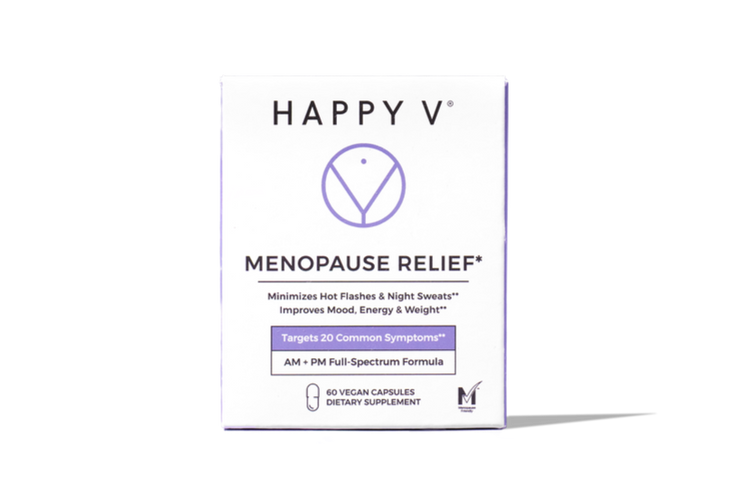
Menopause Relief AM + PM
Supports mood, energy and weight. Minimizes hot flashes and night sweats.
Hormone Support and Its Role in Calming Histamine
While menopause supplements made with clinically studied ingredients, like Happy V’s, can positively influence hormone balance, sometimes, it isn’t enough.
If perimenopause symptoms and histamine intolerance are severe, it may be worth discussing hormone replacement therapy (HRT) with your doctor. HRT and a supplement aren't mutually exclusive, and your provider can help you figure out what combination makes sense for where you are in perimenopause.
Despite what culture tells us, perimenopause is not something you have to suffer through, and there are lots of paths to relief.
When to See a Specialist
Most histamine intolerance can be managed with diet and lifestyle changes, but some symptoms warrant a closer look. Talk to a functional medicine doctor or allergist if you ever experience:
- Symptoms that feel disproportionate to what you ate, or that escalate quickly
- Shortness of breath, low blood pressure, or symptoms that resemble anaphylaxis
- Persistent gastrointestinal disorders, inflammatory bowel disease, or irritable bowel syndrome alongside your histamine symptoms
- Signs that point toward mast cell activation syndrome (MCAS), a more complex condition where mast cells release histamine and other chemicals too readily
Your doctor may recommend allergy testing or an intolerance and sensitivity screen to rule out a true food allergy and confirm whether histamine, rather than a broader allergic reaction, is the underlying driver.
Getting a clear diagnosis matters, since MCAS and histamine intolerance are managed differently, and the right assessment can save you months of guesswork (and discomfort!).
Keep the Conversation Going
- Visit our blog for more women's health tips.
- Join our private Happy V Facebook group to hear from others who've been there.
- Explore supplements designed to support your vaginal health journey.
Disclaimer: This blog is for informational and educational purposes only and is not intended to diagnose, treat, cure, or prevent any disease. Statements about supplements have not been evaluated by the Food and Drug Administration. For more information about vaginal infections, visit the CDC or speak to a licensed healthcare provider.
FAQ
Can perimenopause cause histamine intolerance?
What does a histamine reaction feel like versus a hot flash?
What foods should I avoid if I have histamine intolerance during menopause?
Does estrogen therapy help with histamine intolerance?
How long does a low-histamine diet take to show results?
Our experts continually monitor the health and wellness space, and we update our articles when new information becomes available.
- Published on: September 16, 2026
- Last updates: September 16, 2026
Written by Daniella Levy
Edited by Liz Breen