


- Fact Checked
- July 29, 2026
- 12 min read
Back to Routine, Back to Rest: Healthy Sleep Habits for an End-of-Summer Reset

- Written by Daniella Levy • Updated on August 25, 2026
- Updated on August 25, 2026

Table of Contents
Table of Contents
Many people love the summer because it’s an excuse to step away from your typical routine. But after weeks (or even months!) with no real bedtime, no real wake time, and no real routine, a kind of mental fog can creep in, one that’s heavier and harder to shake than the typical “I stayed up too late” kind of tired.
All the things we love about summer (think: camp schedules, vacations, late sunsets, and long weekends) all quietly train your body to expect chaos, which ultimately can make returning to a healthy sleep routine even harder when summer comes to a close.
Retraining your circadian rhythm isn’t a matter of willpower. It’s understanding why sleep matters as much as it does, what's actually working against you right now, and what a real reset looks like depending on your specific situation.
This post is for informational purposes only and does not constitute medical advice. See full disclaimer below.
Why Sleep Actually Matters
When life gets busy, sleep is often the first thing that gets sacrificed. And while we understand the common view that sleep is a “nice to have,” science proves that quality sleep is actually the cornerstone to health and wellness.
Sleep deprivation isn’t just annoying. If left unaddressed, it's linked to real, serious health consequences like:
- A weakened immune system
- High blood pressure
- Elevated heart disease and cancer risk
- Hormone level disruption
- Increased risk of type 2 diabetes
Chronic insomnia and untreated obstructive sleep apnea in particular have been tied to some of the most serious of these long-term consequences.1
And besides feeling tired, sleep deprivation also shows up in subtler, day-to-day ways, like:
- Memory and concentration problems that get mistaken for stress or "just being busy,"
- Feeling more forgetful or foggy (this is often the first sign of sleep deprivation issues!)
Chances are, if you’re reading this article, you are ready to make a change and get your sleep back on track, but understanding what's actually at stake can keep you motivated to follow through.2
What's Getting in the Way: Common Causes of Sleep Issues
Before you can fix your sleep, you need to understand what’s working against it. This will ultimately help you target the areas that need most improvement.3
The biggest culprits of chronic sleep issues include:
Light Exposure
Light is the strongest cue your circadian clock responds to. Special cells in your eyes actually detect light and signal your brain about what time of day it is, which is why bright morning light (even if it’s just a few minutes outside after waking), helps set your internal clock for the day.4
Prolonged use of screens in the evenings exposes you to blue light from phones, laptops, and TVs, which can suppress melatonin, the hormone that makes you feel sleepy, and trick your brain into thinking it's still daytime.5 Light-emitting screens are one of the most common light distractions working against your sleep without you realizing it. Switching devices to night mode, or a red-spectrum light setting, and using light-blocking curtains or room-darkening shades to manage bedroom darkness can all help.
Even small things, like a phone charging screen-up on the nightstand or a hallway light under the door, can be enough to disrupt the environment your circadian clock is expecting.
Diet
What and how you eat has an impact on so much more than your waistline. Diet can have a big impact on your sleep, especially:
- Caffeine: Caffeine is a stimulant, and believe it or not, it can stay in your system for six hours. Sometimes, even longer! That means that afternoon coffee (or caffeinated soda) could be what's keeping you wide awake at 11 p.m. Caffeinated products hide in more places than people expect. Chocolate and some over-the-counter medications can include caffeine.
- Alcohol: It might make you feel drowsy at first, but alcohol fragments sleep later in the night, leading to more nighttime waking and lower-quality rest overall.
- Nicotine: Also a stimulant, nicotine close to bedtime can make it harder to fall (and stay) asleep.
- Meal timing: Heavy meals or large meals too close to bedtime can trigger nighttime reflux, which disrupts sleep even if you don't fully wake up from it. If dinner tends to run late (which is common for many families once the school year picks up), that's worth watching. A large meal within an hour or two of lights-out is a common, overlooked cause of nighttime waking.6
If you're waking up at 2 or 3 a.m. and can't figure out why, it's worth auditing everything you consumed after lunch, not just your last cup of coffee.
Sleep Environment
Good sleep hygiene isn't just about avoiding screens and having a calm down routine.7 It’s also about the physical environment you’re sleeping in. Some things to keep in mind when it comes to your direct sleep environment (aka your bedroom):
- A cool room (roughly 65–68°F) supports deeper sleep than a warm one, and helps regulate your body's natural temperature drop that signals sleep onset.
- White noise or a fan can mask disruptive noise and help you stay asleep, while a night light or music for sleep might help some people and distract others.
- Room darkness matters just as much as quiet. Room-darkening shades address light the same way earplugs and white noise address sound.
- If a partner's snoring, street noise, or a restless household is the issue, earplugs are a simple, low-effort fix worth trying before anything more complicated.
- Don't underestimate the mattress and pillows. The right support for your neck, back, and spine can be the difference between waking up rested and waking up stiff.
- Ventilation matters, too. A stuffy room can make it harder to stay comfortably asleep, and poor ventilation combined with gastroesophageal reflux disease (GERD) can be a particularly rough combination, since a stuffy, flat sleeping position tends to make reflux symptoms worse overnight.
- If your bedroom doubles as your office, your gym, and your Netflix room, your brain may struggle to associate it with rest. Where you can, reserve bedroom use for sleep alone.
Underlying Sleep Disorders
A chronic pattern of insomnia, loud snoring, or daytime sleepiness that doesn't improve no matter what you adjust could point to a real sleep disorder.8
Obstructive sleep apnea is one of the most common and most under-diagnosed, and a sleep study can identify what's actually happening overnight, rather than guessing.9 Restless legs syndrome and other limb movement disorders can also disrupt sleep in ways that feel like insomnia but have a different root cause, and antihistamines or other over-the-counter medications can sometimes make daytime sleepiness worse rather than better, so it's worth reviewing what you're taking with a doctor or sleep specialist.
If chronic pain is part of what's keeping you up, that's worth addressing directly too, since pain and poor sleep tend to feed each other in a loop that good sleep hygiene alone won't break.10
How to Reset: Building Healthy Sleep Habits
Once you know what's working against you, resetting comes down to a handful of consistent habits, with the most important being:
Rebuild Your Sleep Schedule
Going to bed and waking up at the same time every day, including weekends, is the easiest, most impactful thing you can do for your sleep. An irregular schedule is one of the biggest drivers of poor sleep quality, and it's the first thing a sleep specialist asks about when someone reports feeling foggy or off.11
Most adults need somewhere between 7 and 9 hours of sleep, though the exact recommended amount of sleep varies a bit by age and individual health.12 Some people need more, some need less.
Start with the time in the morning you need to wake up, count backwards by the number of hours you need to sleep, and that’s your bedtime. If your schedule has drifted significantly from that ideal bedtime, don't try to fix it in one night. Shift your bedtime and wake time by 15–20 minutes every few days until you land where you need to be.
Be Honest About Naps
We’ll never tell you naps are the enemy, but timing and nap duration matter.13 A short nap can genuinely help with the sleep debt that builds up during a hectic transition week, but most sleep specialists suggest napping in healthy adults works best when it's brief (think: 20–30 minutes) and earlier in the day, as opposed to later in the afternoon.
Napping late in the day or dozing off for long stretches on the couch after dinner can reduce alertness and performance the next day and make it harder to fall asleep that night.14 If you notice you're needing naps constantly just to get through the day, that's worth paying attention to. It might be a sign of deeper sleep debt that a nap alone won't fix.
Build a Relaxing Bedtime Routine
A relaxing bedtime routine, which involves the same bedtime ritual, in the same order, most nights, tells your brain it's time to shift gears. Your routine doesn't have to be elaborate: a hot bath, a few minutes of guided meditation for sleep, light stretching, or simply dimming the lights and reading can all count as calming activities that signal quiet time.
Other relaxation techniques worth trying include slow breathing exercises or a short “beditation” relaxation video if you like a bit of structure. It also helps to close out your to-do list before you lie down.15 A few minutes jotting down tomorrow's tasks can quiet the mental replay that keeps some people staring at the ceiling.
Move Your Body During the Day
Physical activity earlier in the day supports better sleep hygiene overall.16 Aiming for at least 150 minutes of exercise each week, through walking, swimming, yoga, or any regular exercise you actually enjoy, is linked to falling asleep faster and sleeping more soundly. A morning walk or any time spent outside also helps reinforce your body clock through natural light exposure, doing double duty for both your circadian rhythm and your mood. Just try to finish anything vigorous at least two hours before bedtime, since exercising too close to sleep can leave you more alert rather than less.
If you're easing back into a routine after a summer off, a low-impact fitness program like walking, swimming, or gentle yoga is a reasonable place to start and still counts as meaningful regular exercise for sleep purposes.17
Know When to Get Outside Help
Cognitive behavioral therapy (CBT) for insomnia is one of the most well-supported treatments for chronic sleep issues, including self-help CBT techniques you can start on your own before scheduling time with a sleep specialist.18 Keeping a sleep diary is one of the simplest tools a sleep specialist will ask you to bring to an appointment. It turns "I just sleep badly" into specific, actionable patterns: which nights you relied on stimulants, which nights insomnia showed up, and which habits seemed to help.
Special Considerations for Specific Groups
Sleep advice is often delivered as if everyone’s body and sleep needs are the same, but that’s not true.19 A teenager's biology works against an early alarm in a very different way than a shift worker's schedule does, and what disrupts sleep for a woman in her 50s often has nothing to do with what's keeping a college student up at night.
The habits in this article are a solid foundation for almost anyone, but the specific challenge you're up against (and the fix that actually addresses it) depends a lot on your stage of life, your schedule, and your body.20
Not every sleep challenge is created equal, and it helps to know which category applies to you:
- Teenagers and back-to-school schedules: Teens' internal body clocks are naturally shifted later, making early school start times especially hard on their sleep-wake cycle. Coping with change and uncertainty at the start of a new school year can also spike stress-driven wakefulness, so a predictable evening routine matters even more for this age group.
- Shift workers: Rotating or overnight shifts fight directly against the body's natural circadian clock. Strategies for shift workers, like keeping a strict schedule around each shift block, using blackout curtains for daytime sleep, and being deliberate about light exposure right before and after a shift, can meaningfully improve sleep even when the hours themselves aren't ideal.
- Older adults: Sleep changes in older adults are normal. Lighter, more fragmented sleep and earlier wake times are common, but that doesn't mean poor sleep should just be accepted as inevitable. The same sleep hygiene fundamentals still apply, and treatment of insomnia in adults of any age often starts with the basics before moving to anything more targeted.
- Women in perimenopause and menopause: Hormonal shifts can complicate the picture in a completely different way. Night sweats, racing thoughts at 3 a.m., or waking up wired for no clear reason can all interfere with sleep regardless of how solid your habits are otherwise. That's a different puzzle than a post-summer schedule reset, and it often needs a different kind of support. Our Menopause Relief AM + PM is formulated specifically to help ease some of these disruptions. The AM formula supports steady energy through the day, while the PM formula is designed to support more restful, uninterrupted sleep at night. It's not a replacement for good sleep hygiene, but it can be a meaningful piece of the puzzle if hormonal changes are working against you.
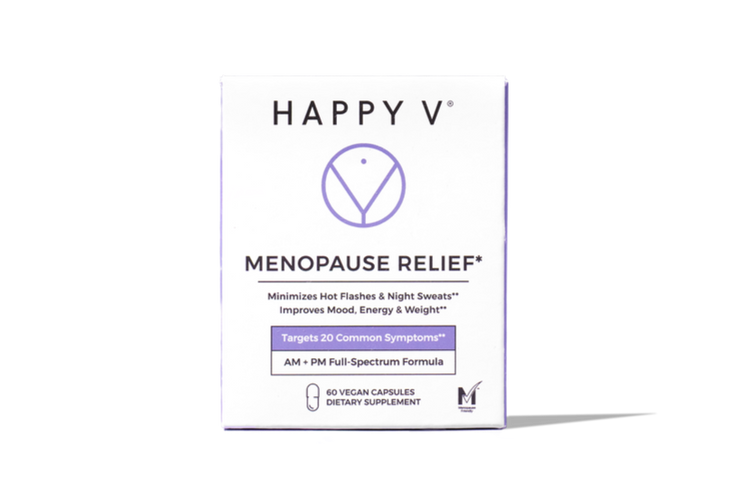
Menopause Relief AM + PM
Supports mood, energy and weight. Minimizes hot flashes and night sweats.
Keep the Conversation Going
- Visit our blog for more women's health tips.
- Join our private Happy V Facebook group to hear from others who've been there.
- Explore supplements designed to support your vaginal health journey.
Disclaimer: This blog is for informational and educational purposes only and is not intended to diagnose, treat, cure, or prevent any disease. Statements about supplements have not been evaluated by the Food and Drug Administration. For more information about vaginal infections, visit the CDC or speak to a licensed healthcare provider.