





- Fact Checked
- March 06, 2026
- 9 min read
Exploring the Link: Can Endometriosis Mimic UTI Symptoms?

-
Written by
Hans Graubard
• Updated on April 02, 2026

Dietary supplement manufacturing, regulatory and product development, and DTCt; leadership experience...
- Updated on April 02, 2026
Table of Contents
Table of Contents
Tell us if this sounds familiar: you went to the bathroom and got hit with that oh-so-familiar burning sensation, pelvic pain, and overall discomfort. So you went to the doctor to get tested for a UTI, but all the results came back negative, leaving you wondering what’s going on and where to go next.
Endometriosis (sometimes called "endo") affects approximately 10% of women of reproductive age worldwide, yet the average time to diagnosis remains a frustratingly long 7 to 9 years. Why such a significant delay? Because this condition frequently mimics other super common health issues, like urinary tract infections. But though these two share a lot of similarities, there are key differences, too. When you can know and recognize what these are, you will be able to advocate for the diagnosis and care you deserve.
This post is for informational purposes only and does not constitute medical advice. See full disclaimer below.
What Is Endometriosis?
Endometriosis occurs when tissue similar to the uterine lining grows outside the uterus (think: on the ovaries, fallopian tubes, bladder, bowel, and other pelvic structures).1 Unlike the tissue inside your uterus, which sheds during the menstrual cycle, this misplaced endometrial tissue has nowhere to go. So what happens? Inflammation, scar tissue, lesions, and adhesions where organs can stick together, along with often significant pain.2
The most common symptoms of endometriosis include:
- Severely painful periods
- Chronic pelvic pain
- Pain during intercourse
- Heavy menstrual bleeding
- Bloating
- Bowel movement changes
- Lower back pain, fatigue
- Difficulty conceiving
But individual experiences can vary widely here. Some women experience debilitating pain while others have minimal symptoms, which is part of why the diagnosis of endometriosis takes so long.3
Endometriosis is also sometimes confused with other conditions that cause pelvic pain, including fibroids, PCOS, pelvic inflammatory disease (PID), irritable bowel syndrome (IBS), and (you guessed it) UTIs.4
How Endometriosis Mimics UTI Symptoms
The bladder, uterus, ovaries, and bowel sit remarkably close together in the pelvis.5 When endometrial tissue grows on or near the bladder or urethra, it can cause symptoms that closely resemble a urinary tract infection, including painful urination, frequent urination, bladder pain, pelvic pressure, and in some cases, blood in the urine (though this is most common around menstruation).
Urinary tract endometriosis, including bladder endometriosis, affects 1 to 6% of women with the condition.6 In more serious cases, lesions can involve the ureter, or the tube that connects the kidneys to the bladder, creating complications that require urology involvement. But even when endo doesn't directly involve the bladder, inflammation and pressure from nearby lesions can irritate urinary structures and create the same discomfort.
A 2025 Cleveland Clinic review notes that urinary tract endometriosis often goes undiagnosed because clinicians don't suspect it unless they're specifically looking for it.7 This is where self-advocacy is so important. When you’re informed about your symptoms, you can better advocate for the right testing.
Key Differences Between Endometriosis and UTIs
Though these conditions can feel super similar when you’re in the bathroom, they are fundamentally different, with different causes and very different treatment options.9
UTIs are bacterial infections that respond to antibiotics and typically resolve within days. Endometriosis is a chronic inflammatory condition requiring a different approach entirely. It will not resolve after a course of antibiotics, and the symptoms will continue or get worse over time or at different points in your menstrual cycle.
A few signs point more toward endometriosis than a UTI, particularly:
- Pain symptoms that worsen around your period or at ovulation
- Repeated negative urine cultures despite ongoing symptoms
- Antibiotics that don't resolve your symptoms
- Cramping, abdominal pain, or lower back pain alongside urinary symptoms
- Painful periods or pain during intercourse
- Chronic pelvic pain or pelvic floor dysfunction that doesn't resolve between periods
- Constipation or changes in bowel movements around menstruation
If you're seeing these patterns, it's worth bringing up endometriosis with your OB/GYN or healthcare provider, even if it hasn't been on your radar before.10 Even if it’s ultimately not the cause, it’s important to rule things out, and the conversation and tests around it may lead you to the right answer.
Why Misdiagnosis Happens
A 2024 Lancet analysis found that 58% of women with endometriosis made multiple visits to healthcare providers before any investigations were undertaken.11 That’s not because these doctors are doing anything wrong necessarily, but because the condition's pain symptoms overlap with UTIs, irritable bowel syndrome (IBS), interstitial cystitis, and pelvic floor dysfunction, making accurate diagnosis genuinely difficult. Endometriosis can also be difficult to detect on standard imaging, so many women cycle through rounds of antibiotics and other treatments for these similar conditions before the real cause is identified.
Unfortunately, painful periods have kinda been normalized, especially in medical settings. Many women are told their symptoms are just bad cramping or “PMS” and delay seeking help as a result. You don’t have to be one of them.12
Why Urinary Symptoms Develop in Endometriosis
Not everyone with endometriosis develops urinary symptoms, so why do some women? A few factors are at play.13
Retrograde menstruation, where menstrual blood flows backward into the pelvis instead of out of the body, is one of the leading theories behind how endometrial tissue ends up on the bladder or ureter in the first place.14 Deep endometriosis, or lesions that penetrate more than 5mm below the surface of pelvic tissue, is also more likely to involve the urinary tract than superficial lesions.
Pelvic floor dysfunction also plays a role. Chronic inflammation and pain from endo can cause the pelvic floor muscles to tighten and spasm, which compounds urinary symptoms like urgency to go, frequency, and bladder pain.15 In more advanced cases, ureteral disease can cause flank pain, urinary retention, or even affect kidney function, which is why it's so important to see your doctor with any urinary symptoms and push for answers if a urine test or culture comes back negative.
Getting the Right Diagnosis
If you suspect you have endometriosis, start by tracking your symptoms.16 Write down when they occur in relation to your menstrual cycle, how severe they are, and any other patterns you notice. This will help your healthcare provider connect the dots and rule out overlapping conditions.
Menstrual Cycle Tracking
How Do You Track Your Menstrual Cycle And Why Does It Matter for Your Health?
Diagnosis typically involves several steps. First, a urine culture rules out an active urinary tract infection.17 Then, pelvic exam and physical examination can reveal tenderness or abnormalities. From there, lab tests, transvaginal ultrasound, or MRI may be ordered, and if bladder involvement is suspected, a cystoscopy (a procedure to examine the inside of the bladder) or biopsy with histology analysis may also be recommended.
Laparoscopy remains the gold standard for a definitive diagnosis of endometriosis.18 It's the only way to fully assess the extent and location of lesions. If you are having recurring urinary pain without a clear answer, you can always discuss a laparoscopy with your doctor directly. Don’t be afraid to ask for what you need.
Supporting Your Urinary Health
While you're investigating the root cause of your urinary pain, there's a lot you can do to feel more comfortable day to day.19 Of course, none of these strategies replace a diagnosis or treatment plan, but they can meaningfully take the edge off.
Stay Hydrated
When you drink more, you pee more, which helps flush the urinary system and dilute irritants.20 While symptoms are flaring, make water as your primary drink and cut back on caffeine, alcohol, and acidic foods, especially if you notice they worsen your symptoms.
Use Heat
A heating pad or hot water bottle on your lower abdomen or lower back can help relax pelvic floor muscles, ease bladder pain, and reduce cramping, especially around menstruation when endometriosis-related urinary symptoms tend to flare.21 Many women find this one of the most accessible, cost-effective, and immediate sources of relief.
Try a Warm Bath
Soaking in a warm bath is good for all kinds of tension, especially pelvic tension.22 Just be sure to avoid heavily scented bath products, since these can irritate the urethra and make symptoms worse
Mind Your Bladder Habits
When you have to go, go. Holding urine for long periods will only increase bladder pressure and discomfort.23 At the same time, try not to "just in case" urinate too frequently. This can actually reduce bladder capacity over time and worsen urgency.
Consider Pelvic Floor Physical Therapy
If pelvic floor dysfunction is contributing to your symptoms, working with a pelvic floor physical therapist can address the muscle tension and spasm that often accompany endometriosis-related urinary symptoms.24 OB/GYNs are used to making this kind of referral and probably have several names handy.
Try Targeted Supplements
For women who experience actual UTIs alongside endometriosis, proactive urinary support can help reduce recurrence (and all the symptoms that go along with it). Happy V's D-Mannose + Cranberry contains clinically studied ingredients shown to support urinary tract health and reduce UTI recurrence when taken regularly.*


D-Mannose + Cranberry
Supports urinary tract health and promotes long-term wellness.
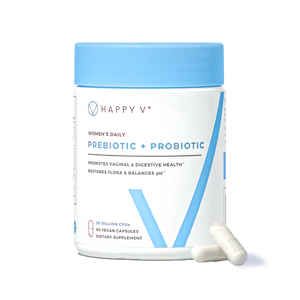
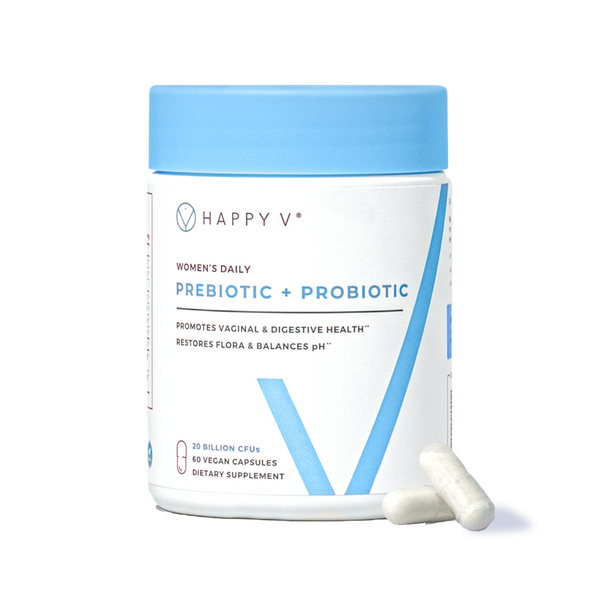
And because inflammation plays a role in both UTIs and endometriosis, giving your microbiomes some attention can often relieve pelvic symptoms and support overall pelvic health. Happy V's Prebiotic + Probiotic is doctor-formulated with clinically studied strains of probiotics shown to support balance of the vaginal and gut microbiomes, which can ultimately help reduce inflammation in the lower abdomen overall*
When to See a Specialist
Reach out to your gynecologist or even an endometriosis specialist if you're experiencing:
- Recurring UTI symptoms with negative urine cultures
- Severe painful periods that limit your daily activities
- Chronic pelvic pain or abdominal pain that doesn't resolve between periods
- Bladder pain or frequent urination that worsens around menstruation
- Pain during sex
- Constipation or bowel movement changes tied to your cycle
- Difficulty conceiving
An endometriosis specialist in particular can evaluate your full picture and discuss treatment options, which may include hormonal therapy, pain management, laparoscopic surgery, or, in some cases, hysterectomy.25 It all depends on your goals and current health situation. Whatever your ultimate treatment plan, the research is clear: prompt treatment can help manage endometriosis pain, slow disease progression, and preserve fertility. You deserve answers, and the right specialist in gynecology or urology can help you find them.
Keep the Conversation Going
- Visit our blog for more women's health tips.
- Join our private Happy V Facebook group to hear from others who've been there.
- Explore supplements designed to support your vaginal health journey.
Disclaimer: This blog is for informational and educational purposes only and is not intended to diagnose, treat, cure, or prevent any disease. Statements about supplements have not been evaluated by the Food and Drug Administration. For more information about vaginal infections, visit the CDC or speak to a licensed healthcare provider.