

A close-up image of white sugar cubes neatly arranged on a wooden background, highlighting their textured, crystalline appearance.
  • Fact Checked
  • January 07, 2026
  • 6 min read

Does Sugar Cause Yeast Infections?

Table of Contents
  1. 1. What Is a Yeast Infection?
  2. 2. So…Does Sugar Really Cause Yeast Infections?
  3. 3. Is This Just a Diabetes Thing?
  4. 4. Lifestyle Changes That May Help Prevent Yeast Infections
  5. 5. Can Sugar Cause BV?
  6. 6. Final Thoughts

Key Takeaways

  • While sugar doesn’t directly cause yeast infections, high blood sugar levels and diets rich in glucose can fuel candida overgrowth.
  • People with type 2 diabetes or a weakened immune system face an increased risk of vaginal yeast infections.
  • Daily probiotics, lower sugar intake, and smart lifestyle changes can help support your vaginal microbiome and reduce future flare-ups.

A donut with your coffee. A mid-afternoon chocolate fix. Ice cream after dinner. We all have our go-to sweet treats, but if you’re someone who gets frequent vaginal yeast infections, you might be wondering if sugar could be part of the problem.

The short answer? While it’s not the whole story, your diet—and especially your sugar intake– can influence your vaginal microbiome in ways that matter. Let’s get into the science (without the scare tactics).

This post is for informational purposes only and does not constitute medical advice. See full disclaimer below.

What Is a Yeast Infection?


An infographic about yeast infections featuring a stylized microscopic illustration of Candida albicans. The text defines the condition as an overgrowth of fungus that disrupts the normal balance of the vaginal microbiome.


A yeast infection (also known as vaginal candidiasis or vulvovaginal candidiasis) is a common fungal infection caused by an overgrowth of Candida, with Candida albicans being one of the main offenders1.

Fungi like Candida albicans are not always harmful2. In fact, balanced microbiomes can still contain small amounts of Candida. But when this fungus begins to multiply and overtake the vaginal flora, it can lead to uncomfortable symptoms, including:

An infographic illustrating four common symptoms of a yeast infection: vaginal itching or irritation, a burning sensation during sex or urination, thick white cottage cheese-like discharge, and redness or swelling of the vulva.


  • Vaginal itching or irritation
  • Thick white vaginal discharge (often compared to cottage cheese)
  • Redness or swelling around the vulva
  • A burning sensation during urination or sex

Millions of people experience yeast infections each year. If you are one of them, know that you're not alone—and that there are effective ways to treat them3. Most uncomplicated vaginal yeast infections are treated with antifungal medications, either as an over-the-counter suppository or topical cream, or with a prescription oral antifungal like fluconazole.

Simple lifestyle changes, including changes to your diet, can also go a long way in reducing or even preventing recurrence.

So…Does Sugar Really Cause Yeast Infections?


An infographic explaining the link between sugar and yeast infections. It states that while sugar isn't a direct cause, it supports yeast overgrowth by providing fuel for Candida, appearing in vaginal secretions, and weakening the body's immune system and gut health.


Yes and no. While sugar doesn’t directly cause vaginal yeast infections, it does play a supporting role.

Here’s how sugar can contribute to yeast infection symptoms, even if it doesn’t cause it directly.

1. Fuel for Fungi

Fungi like Candida love to eat glucose4. This means diets high in sugar (including refined carbs that quickly convert to glucose) may create an internal environment that encourages yeast overgrowth. This is especially true when the immune system is compromised or the vaginal flora is already imbalanced due to antibiotic use, among other things.

2. The Blood Sugar Connection

People with uncontrolled diabetes or consistently high blood sugar levels face a higher risk of yeast infections5.

According to the Centers for Disease Control and Prevention (CDC), excess glucose can appear in vaginal secretions and serve as a food source for yeast, encouraging growth in the genital area6.

3. Weakened Defenses

A high-sugar diet can weaken your immune system, disrupt gut health, and increase overall inflammation throughout your body, making it harder for your body to keep candida overgrowth in check7.

Is This Just a Diabetes Thing?

Nope. Yeast infections linked to sugar aren’t just a concern for people with type 2 diabetes or high blood sugar8. Even short-term spikes in sugar intake, especially alongside other risk factors like antibiotics, hormonal birth control, douching, or wearing tight swimsuits, can throw off your balance and increase your chances of getting an infection. These imbalances may be more common during times of diet or lifestyle changes, such as summer travel or vacations.

Lifestyle Changes That May Help Prevent Yeast Infections

If you’re stuck in a cycle of recurrent yeast infections, know that you aren’t alone and there’s nothing wrong with you9. It’s often possible to take control of your vaginal health and end comfortable itching with a few, research-backed lifestyle changes:

  • Watch your sugar intake. This doesn’t mean eliminating all sugar (don’t worry), but limiting added sugars and processed carbs may help reduce yeast overgrowth.
  • Limit alcohol & caffeine. Both can contribute to dehydration and stress, which may negatively impact your immune system and microbiome balance. Alcohol is also high in sugar, which (as you now know) can further promote yeast overgrowth.

An informational graphic titled "How probiotics help support vaginal balance:" depicting Lactobacillus bacteria. It explains that daily prebiotic and probiotic supplements can help balance vaginal flora and pH levels while reducing the overgrowth of harmful bacteria and yeast.


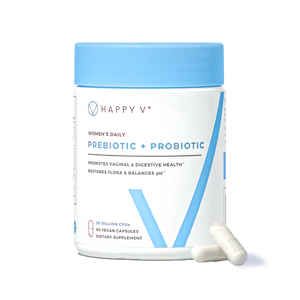
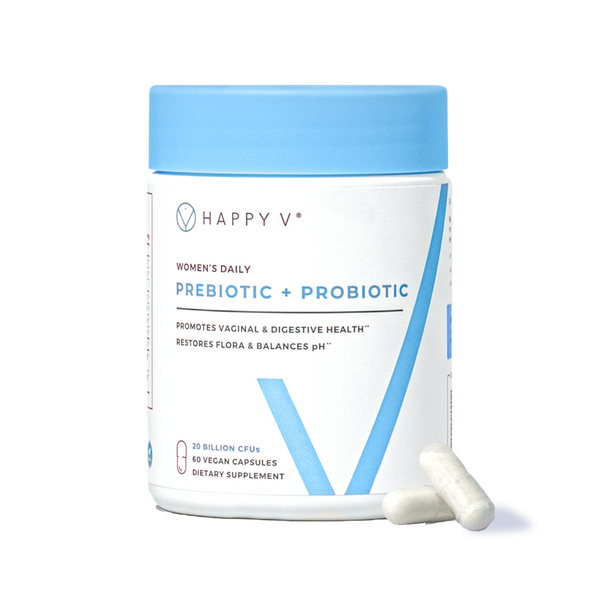
  • Add vaginal probiotics to your routine. Happy V’s Prebiotic + Probiotic is made with clinically studied strains like Lactobacillus acidophilus LA-14® and Lactobacillus rhamnosus HN001™, which have been shown to support vaginal balance. In preclinical studies, Happy V’s unique blend also helped keep overgrowth of Candida albicans in check. Just be sure to talk with your doctor before beginning any new supplement!
  • Choose loose bottoms & cotton underwear. Along with sugar, yeast love dark, moist areas. For this reason, avoid tight pants and synthetic underwear. This will help reduce moisture and heat in the vaginal area.
  • Skip the douches. Douching not only disrupts your natural pH and increases infection risk, but it’s actually not even necessary because your vagina is self cleaning!
  • Avoid scented products. As nice as they might smell, these products often get their smells from harsh chemicals that can disrupt your microbiome, which can put you at an increased risk of infection. If you want to clean your vulva, use warm water and mild, unscented soap only.
  • Practice good hygiene during your menstrual cycle, after workouts, and following sexual intercourse. Change tampons or pads regularly (like, every 2-4 hours), shower after sweating, and gently clean the external genital area after sex. Keeping the vulva clean—without over-washing!—supports your microbiome and helps prevent irritation.

Can Sugar Cause BV?


An infographic titled "Can sugar also cause BV?" featuring an illustration of bacteria. The text explains that high-sugar diets and elevated blood sugar may increase the risk of bacterial vaginosis by impacting the immune system and disrupting the balance of protective Lactobacilli.


While sugar is most famously linked to yeast infections, growing research suggests it might also have a say in your risk for bacterial vaginosis (BV) (aka the most common vaginal infection in women of reproductive age, per the CDC)10.

BV happens when your vaginal microbiome gets thrown off11. More specifically, it happens when helpful bacteria like Lactobacilli are outnumbered by bad bacteria. And while BV isn’t caused by sugar directly, high-sugar diets may tip the balance in the wrong direction.

How? Well, one theory is that consistently elevated blood sugar levels can impact your immune system and create a more welcoming environment for bad bacteria12. If your defenses are down, recurrence becomes more likely.

The good news is that, like yeast infections, BV doesn’t have to keep coming back13. In addition to talking to your healthcare provider about treatments like metronidazole or clindamycin, supportive habits like adjusting your diet and adding a targeted probiotic—like Happy V’s Prebiotic + Probiotic—can help keep your vaginal flora in check and support long-term balance.

Final Thoughts

If you’re struggling with recurring yeast infections, you don’t have to swear off sweets forever, but knowing how sugar impacts your body gives you the power to make lifestyle choices that support your vaginal health. As with most things in the wellness world, it’s all about balance, not restriction.


Keep the Conversation Going


Disclaimer: This blog is for informational and educational purposes only and is not intended to diagnose, treat, cure, or prevent any disease. Statements about supplements have not been evaluated by the Food and Drug Administration. For more information about vaginal infections, visit the CDC or speak to a licensed healthcare provider.

FAQ

How does sugar intake relate to yeast infections?

Candida yeast feeds on sugar, which is why diets high in added sugar may make it easier for yeast to overgrow. Excess sugar can also affect the balance of healthy bacteria in the gut and vaginal microbiome, potentially increasing the risk of yeast infections.

Can dietary changes help reduce the risk of yeast infections?

They can. Eating a balanced diet with less added sugar and more whole foods may support a healthier microbiome and help lower the chances of yeast overgrowth for some people.

What role does gut and vaginal flora play in preventing yeast infections?

Healthy bacteria in the gut and vagina help keep yeast growth under control. When these healthy bacteria are disrupted by things like antibiotics, hormone changes, stress, or diet, yeast may have an easier time overgrowing and causing symptoms.

Can probiotics cure a yeast infection?

Studies have found that certain lactobacillus strains found in Happy V Yeast Infection Probiotics can alleviate symptoms of yeast infections and prevent recurring infections. However, we cannot claim that our product can cure a yeast infection. We can point you to the study about the ingredients within the product, which you can find here.

Does Happy V® Prebiotic + Probiotic help with yeast infections?

Yes. Happy V® Prebiotic + Probiotic contains clinically studied probiotic strains, including Lactobacillus crispatus CCFM1110™, L. reuteri HR7™, L. gasseri HLG13™, L. acidophilus LA-14®, and L. rhamnosus HN001™, which have been shown to help inhibit Candida species, reduce vaginal inflammation, and help restore healthy vaginal flora – supporting the prevention and management of yeast infections.*

Can I take Happy V’s Probiotics for Yeast Infection with other Happy V products?

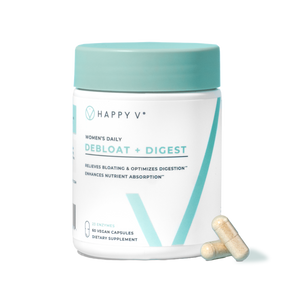
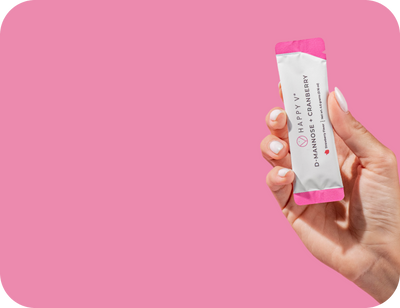
Absolutely! Our Yeast Infection Probiotics go extremely well with our Happy V D-Mannose + Cranberry Stick Packs, Happy V Digestive Enzymes, and all our other products. Just be mindful of the dosages, and feel free to mix and match to find what works best for you.

[1] Jeanmonod R, Chippa V, Jeanmonod D. Vaginal Candidiasis. [Updated 2024 Feb 3]. In: StatPearls [Internet]. Treasure Island (FL): StatPearls Publishing; 2025 Jan-.

[2] Kumamoto CA, Gresnigt MS, Hube B. The gut, the bad and the harmless: Candida albicans as a commensal and opportunistic pathogen in the intestine. Curr Opin Microbiol. 2020 Aug;56:7-15. doi: 10.1016/j.mib.2020.05.006. Epub 2020 Jun 27.

[3] Cleveland Clinic. Vaginal Yeast Infection. Cleveland Clinic Health Library. Medically reviewed May 16, 2025. Accessed January 2026.

[4] Mohammed L, Jha G, Malasevskaia I, Goud HK, Hassan A. The Interplay Between Sugar and Yeast Infections: Do Diabetics Have a Greater Predisposition to Develop Oral and Vulvovaginal Candidiasis? Cureus. 2021 Feb 18;13(2):e13407. doi: 10.7759/cureus.13407.

[5] Talapko J, Meštrović T, Škrlec I. Growing importance of urogenital candidiasis in individuals with diabetes: A narrative review. World J Diabetes. 2022 Oct 15;13(10):809-821. doi: 10.4239/wjd.v13.i10.809.

[6] Morales-Brown P. Diabetes and yeast infections (candidiasis). Medical News Today. Medically reviewed by Alana Biggers, M.D., MPH; updated April 14, 2025. Accessed January 2026.

[7] Ma X, Nan F, Liang H, Shu P, Fan X, Song X, Hou Y, Zhang D. Excessive intake of sugar: An accomplice of inflammation. Front Immunol. 2022 Aug 31;13:988481. doi: 10.3389/fimmu.2022.988481.

[8] Cleveland Clinic. Type 2 Diabetes. Cleveland Clinic Health Library. Medically reviewed November 21, 2025. Accessed January 2026.

[9] Institute for Quality and Efficiency in Health Care (IQWiG). Overview: Vaginal yeast infection (thrush). In: NCBI Bookshelf [Internet]. National Library of Medicine (US), National Center for Biotechnology Information. Updated April 4, 2022. Accessed January 2026.

[10] Carlson K, Mikes BA, Garg M. Bacterial Vaginosis. [Updated 2025 Nov 7]. In: StatPearls [Internet]. Treasure Island (FL): StatPearls Publishing; 2025 Jan-.

[11] Chen X, Lu Y, Chen T, Li R. The Female Vaginal Microbiome in Health and Bacterial Vaginosis. Front Cell Infect Microbiol. 2021 Apr 7;11:631972. doi: 10.3389/fcimb.2021.631972.

[12] Berbudi A, Rahmadika N, Tjahjadi AI, Ruslami R. Type 2 Diabetes and its Impact on the Immune System. Curr Diabetes Rev. 2020;16(5):442-449. doi: 10.2174/1573399815666191024085838.

[13] Mayo Clinic Staff. Bacterial vaginosis: Symptoms & causes. Mayo Clinic. Updated June 10, 2023. Accessed January 2026.

[1] Jeanmonod R, Chippa V, Jeanmonod D. Vaginal Candidiasis. [Updated 2024 Feb 3]. In: StatPearls [Internet]. Treasure Island (FL): StatPearls Publishing; 2025 Jan-.

[2] Kumamoto CA, Gresnigt MS, Hube B. The gut, the bad and the harmless: Candida albicans as a commensal and opportunistic pathogen in the intestine. Curr Opin Microbiol. 2020 Aug;56:7-15. doi: 10.1016/j.mib.2020.05.006. Epub 2020 Jun 27.

[3] Cleveland Clinic. Vaginal Yeast Infection. Cleveland Clinic Health Library. Medically reviewed May 16, 2025. Accessed January 2026.

[4] Mohammed L, Jha G, Malasevskaia I, Goud HK, Hassan A. The Interplay Between Sugar and Yeast Infections: Do Diabetics Have a Greater Predisposition to Develop Oral and Vulvovaginal Candidiasis? Cureus. 2021 Feb 18;13(2):e13407. doi: 10.7759/cureus.13407.

[5] Talapko J, Meštrović T, Škrlec I. Growing importance of urogenital candidiasis in individuals with diabetes: A narrative review. World J Diabetes. 2022 Oct 15;13(10):809-821. doi: 10.4239/wjd.v13.i10.809.

[6] Morales-Brown P. Diabetes and yeast infections (candidiasis). Medical News Today. Medically reviewed by Alana Biggers, M.D., MPH; updated April 14, 2025. Accessed January 2026.

[7] Ma X, Nan F, Liang H, Shu P, Fan X, Song X, Hou Y, Zhang D. Excessive intake of sugar: An accomplice of inflammation. Front Immunol. 2022 Aug 31;13:988481. doi: 10.3389/fimmu.2022.988481.

[8] Cleveland Clinic. Type 2 Diabetes. Cleveland Clinic Health Library. Medically reviewed November 21, 2025. Accessed January 2026.

[9] Institute for Quality and Efficiency in Health Care (IQWiG). Overview: Vaginal yeast infection (thrush). In: NCBI Bookshelf [Internet]. National Library of Medicine (US), National Center for Biotechnology Information. Updated April 4, 2022. Accessed January 2026.

[10] Carlson K, Mikes BA, Garg M. Bacterial Vaginosis. [Updated 2025 Nov 7]. In: StatPearls [Internet]. Treasure Island (FL): StatPearls Publishing; 2025 Jan-.

[11] Chen X, Lu Y, Chen T, Li R. The Female Vaginal Microbiome in Health and Bacterial Vaginosis. Front Cell Infect Microbiol. 2021 Apr 7;11:631972. doi: 10.3389/fcimb.2021.631972.

[12] Berbudi A, Rahmadika N, Tjahjadi AI, Ruslami R. Type 2 Diabetes and its Impact on the Immune System. Curr Diabetes Rev. 2020;16(5):442-449. doi: 10.2174/1573399815666191024085838.

[13] Mayo Clinic Staff. Bacterial vaginosis: Symptoms & causes. Mayo Clinic. Updated June 10, 2023. Accessed January 2026.