

- Fact Checked
- April 08, 2026
- 14 min read
Is Your Liver Stressed? 10 Signs Your Body Needs A Detox & How to Detox Naturally

-
Written by
Hans Graubard
• Updated on April 09, 2026

Dietary supplement manufacturing, regulatory and product development, and DTCt; leadership experience...
- Updated on April 09, 2026
Table of Contents
Table of Contents
Maybe you have been dragging through the day, no matter how much sleep you get, and you feel foggy in a way that is hard to explain. Or maybe your skin is breaking out, and your jeans feel tight even though nothing about your diet has changed. Whatever the exact symptoms, something feels "off," and your Googling has brought you here as you try to figure out what's actually going on.
The strange symptoms many people chalk up to stress or even just getting older are actually common signs that your liver is in need of some support. And it doesn't need it in the form of a trendy cleanse or an expensive detox juice to function. In fact, those liver cleanses have not been proven to treat existing liver damage, and some marketed supplements can actually cause liver injury.
So what does your liver need? We'll walk you through some science-backed strategies, while also discussing what your liver does, what puts it under stress, and detox symptoms that signal it needs some help.
This post is for informational purposes only and does not constitute medical advice. See full disclaimer below.
What Your Liver Actually Does
Before we talk about what goes wrong, it helps to understand all that your liver does to keep things in your body feeling right. Because this little organ is pretty amazing!
Your liver is your body's primary detox organ, and it performs over 500 (!) essential functions every single day.1 It filters your blood, breaks down everything from medications to that glass of wine, produces bile so your body can digest fats, stores vitamins and minerals, helps regulate blood sugar, and manages hormone metabolism, including estrogen.
It's basically your body's built-in processing center, running around the clock without you having to think about it.2 When your liver is healthy, it can do these 500 functions without any support, and it even has its own sophisticated natural detoxification pathways. When the liver is overly stressed (for reasons we get into next), that's when you notice detox symptoms that tell you it's time to make some lifestyle changes.
What Causes Your Liver to Become Stressed
Your liver is incredibly resilient… but it is not invincible.3 Over time, certain habits and health conditions can keep the liver working overtime and, ultimately, give it a case of burnout.
A Diet High in Processed Foods and Added Sugars
Excess sugar gets converted to fat in the liver.4 Over time, that buildup can contribute to metabolic dysfunction-associated steatotic liver disease, formerly known as NAFLD.
Regular or Heavy Alcohol Consumption
Substance use, including regular or heavy drinking, is one of the biggest stressors on your liver. Your liver prioritizes processing alcohol above almost everything else.5 When it is constantly dealing with alcohol, its other jobs (like filtering harmful substances and metabolizing hormones) take a back seat.
Environmental Toxins
Your body stores toxins from pesticides, plastics, and air pollution in fat cells, and your liver is responsible for processing them when they are mobilized.6 The more environmental toxins you are exposed to, the more your liver has to manage.
Poor Sleep Quality
During deep sleep, your body's detoxification process ramps up significantly.7 Melatonin production supports cellular repair, and your lymphatic system (aka the system that helps clear waste from your tissues and delivers it to your liver) is most active when you are at rest. Chronically poor sleep patterns mean your liver never fully catches up.
Chronic Stress
Elevated cortisol over time impairs liver detoxification pathways and disrupts gut health, and a compromised gut sends more inflammatory signals directly to the liver through what researchers call the gut-liver axis.8 They are deeply connected. What taxes one, taxes the other.
Excess Weight, Especially Around the Midsection
Belly fat in particular has a direct relationship with liver health.9 And conditions like type 2 diabetes and insulin resistance compound the problem further.
Dehydration
Hydration matters more to the detoxification process than most people realize.10 Your liver relies on adequate fluid to filter and flush waste products. When you are chronically under-hydrated, your body's natural detoxification slows down, and your liver feels it.
Remember, your liver IS super resilient, meaning it can withstand a stressful day or a period of dehydration without issue.11 The problems arise when these are daily occurrences, and they often happen gradually, making them hard to miss.
10 Signs Your Body Needs Detox Support
Your liver doesn't exactly come with a warning light, but it does try to tell you when something is off.12 Fatty liver disease, for example, has a reputation for being "silent," but the truth is, there are always signs something is off. These signs are just easy to mistake for something else.
If several of these sound familiar, especially if any of the above risk factors rang true, it is worth a conversation with your healthcare provider.
1. Persistent Fatigue That Sleep Does Not Fix
Low energy that does not respond to rest is one of the most commonly reported detox symptoms in people with fatty liver disease, even in the early stages.13 You are sleeping seven or eight hours and still waking up drained, that's not normal. When your liver is struggling to convert nutrients into usable energy or clear metabolic waste from your bloodstream, your energy levels stay flat no matter how much you sleep.14
2. Digestive Discomfort and Bloating
Your liver produces bile, which is essential for breaking down fats during digestion.15 When liver function is compromised, your digestive system takes a hit. You may notice persistent bloating, a heavy feeling after eating, gas, constipation, or nausea. Occasional bloating is completely normal, but ongoing digestive issues alongside other symptoms on this list is worth paying attention to.
3. Unexplained Discomfort in Your Upper Right Abdomen
A dull ache or heaviness just below your right rib cage can signal liver inflammation or enlargement.16 This discomfort is often mild and tends to come and go instead of being an "all the time" thing. It can be easy to shrug off or blame on something else, like indigestion, but when it shows up alongside other symptoms on this list, your liver may be asking for a change.
4. Brain Fog and Difficulty Concentrating
When your liver cannot efficiently filter harmful substances from your blood, those lingering toxins can affect how you think.17 If you have been feeling unusually forgetful, scattered, or experiencing brain fog in a way that feels out of character, it could be one of the common signs your body needs detox support, not from a supplement, but from reducing the load on your liver so it can do its filtering job more effectively.
5. Skin Issues and Itching
Skin health is a direct reflection of what is happening internally.18 Unexplained itchiness, dryness, rashes, or breakouts can all be linked to declining liver function. In more advanced cases, yellowing of the skin and eyes, which is known as jaundice, can occur when bilirubin builds up because the liver cannot process it efficiently. Any yellowing is a reason to see your healthcare provider promptly.
6. Changes in Urine or Stool Color
Dark urine that looks brown or amber, paired with pale or clay-colored stools, can indicate that your liver is not processing bilirubin properly.19 These are important signals to bring to your doctor right away, so call to make an appointment.
7. Easy Bruising or Bleeding
Your liver produces proteins essential for blood clotting. Under stress, you may notice that you bruise more easily or that small cuts take longer to stop bleeding.20 This typically shows up in more advanced stages of liver stress, but it is worth mentioning if you notice a change.
8. Hormonal Imbalances and Mood Swings
Your liver metabolizes hormones, including estrogen.21 When liver function is compromised, hormones can fall out of balance, showing up as irregular cycles, mood swings, or hormonal imbalances that seem to come out of nowhere. For women especially, supporting liver health is an important and often overlooked piece of overall well-being and mental health.
9. Weight Gain Around the Midsection
Liver issues like metabolic dysfunction-associated steatotic liver disease are closely linked to belly fat, and this relationship goes both ways.22 Excess weight stresses the liver, and a stressed liver makes weight loss harder and weight gain easier. If you are gaining weight despite consistent habits, your liver health may be a factor worth looking into.
10. Elevated Liver Enzymes on Blood Tests
Sometimes liver stress does not cause obvious physical symptoms at all.23 Many people only find out their liver needs attention through routine blood work that shows elevated liver enzymes, specifically ALT, AST, or GGT. This is why annual physicals that include a blood draw are so important. If your doctor has flagged those numbers, consider it a clear signal to prioritize everyday lifestyle support.
How to Support Your Liver Naturally
We said it once, and we'll say it again: you do NOT need to buy a specific body or liver cleanse product to support your liver.24 If anything, research around these products shows they offer no proven benefit and may cause harm.
The most effective approach is to make lifestyle changes that reduce the burden on your liver and let it do what it already knows how to do, no formal detox programs required.25
Focus on a Mediterranean-Style Diet
Multiple randomized controlled trials have shown that the Mediterranean diet is the gold standard for liver health support.26 So try ditching the processed foods high in added sugar in favor of more vegetables, fruits, whole grains, fish, and legumes. These whole foods are naturally rich in antioxidants that help protect the liver from oxidative stress.
Support Healthy Digestion
When your liver is under stress, digestion often takes a hit, too. That's when you'll notice bloating, heaviness after meals, and sluggish bowel movements, all signs your body's processing systems need support.27
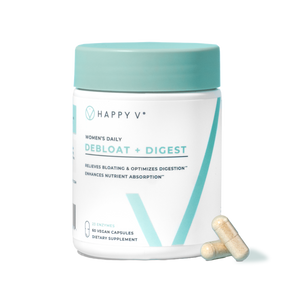
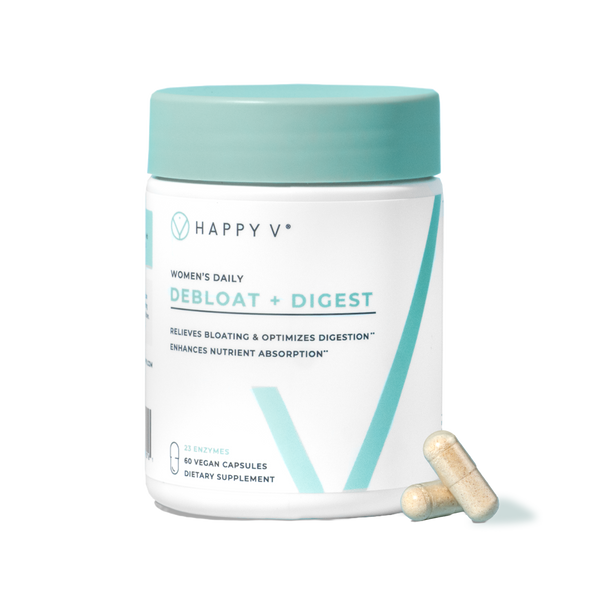
Happy V's Debloat + Digest contains 23 unique digestive enzymes to help your body break down food more efficiently, easing the downstream burden on your liver and keeping things moving the way they should. Many people feel digestive relief within 30 minutes of taking it.


Debloat + Digest
Reduces bloating and soothes constipation, by supporting healthy digestion and enhancing nutrient absorption
Drink Coffee (and Herbal Teas)
Didn't expect that, did you? But it's true. Regular coffee consumption has been consistently linked to better liver health. Research shows that regular coffee drinking is associated with a meaningfully decreased risk of liver fibrosis. Two or more cups daily may offer liver-protective benefits, likely thanks to coffee's antioxidants and anti-inflammatory compounds. Herbal teas, particularly green tea and dandelion root, are also worth adding to your routine for their gentle detoxifying and antioxidant properties.
Prioritize Sleep
Your liver's detoxification process is more active during deep sleep, and your lymphatic system (remember, that's the one that clears metabolic waste from your tissues) is most efficient at night. Protecting your sleep patterns is one of the most underrated things you can do for your liver as well as your overall wellness.
Maintain a Healthy Weight
Even modest weight loss of 5 to 10 percent has been shown to significantly improve liver fat content and reduce inflammation. Gradual, sustainable change through balanced nutrition is the goal, as crash diets can actually stress the liver further.
Limit Alcohol and Substance Use
When your liver is processing alcohol or managing the effects of other substance use, it deprioritizes almost everything else. Reducing intake, even moderately, frees your liver to focus on its other 500+ jobs. According to the CDC, moderate drinking means no more than one drink per day for women.
Move Your Body Regularly
Physical activity improves liver health independently of weight loss. That's because exercise reduces liver fat, improves insulin sensitivity, and decreases inflammation. Aim for at least 150 minutes of moderate activity per week, combining aerobic exercise like walking or jogging with resistance training. Some people also find that regular sauna use supports detoxification through sweat-based elimination, though research on this is still emerging.
Stay Hydrated
Hydration supports all of your body's natural detoxification processes. Water helps flush waste products through your kidneys and supports healthy bowel movements, both essential for eliminating what your liver has already processed. Aim for 6-8 glasses a day, and more if you're especially active or in a hot climate.
Address Stress and Environmental Toxins
Chronic stress elevates cortisol, which impairs your liver's detoxification pathways over time. Practices like regular movement, quality sleep, and time away from screens all support your mental health and your liver.
Reducing your exposure to environmental toxins where you can by choosing organic produce for high-pesticide items, filtering your drinking water, and minimizing plastics in your kitchen can also help reduce the overall load your liver has to process.
Signs Your Detox Is Working
When you start making consistent lifestyle changes to support your liver, you won't see dramatic results overnight. The detox process works gradually, but there are meaningful signals that your body's natural systems are getting back on track.
Your Energy Levels Improve
One of the first things people notice is that they feel less tired. When your liver is processing waste and metabolizing nutrients more efficiently, your cells get better fuel, and that bone-deep fatigue starts to lift.
Your Digestion Smooths Out
Reduced bloating, more regular bowel movements, less constipation, and less discomfort after meals are all signs that your gut-liver connection is functioning the way it should. Better bile production and improved nutrient absorption mean your digestive system is no longer working against you.
Your Skin Health Improves
When your liver and lymphatic system are clearing waste efficiently, your skin doesn't have to pick up the slack. Improvements in liver function can show up as fewer breakouts, less puffiness, and clearer skin overall.
Your Mental Clarity Gets Sharper
Brain fog tends to lift when your liver is doing a better job filtering metabolic waste from your bloodstream. If you notice that you feel sharper, more focused, and less scattered, that is a meaningful sign your detox pathways are working.
Your Hormones Feel More Balanced
Because your liver plays a central role in metabolizing estrogen and other hormones, improved liver function can show up as more regular cycles, steadier moods, and fewer hormonal imbalances.
Inflammation Starts to Ease
Supporting your liver, gut, and lymphatic system together helps reduce the low-grade inflammation that underlies so many chronic symptoms like joint stiffness, puffiness, and general aches that many people just accept as normal.
Your Sleep Improves
Better stress regulation and more efficient metabolic waste clearance at night can translate to deeper, more restorative sleep, which in turn further supports your liver's detox work.
Keep in mind that all these shifts happen over weeks, not days, and they are the result of consistent lifestyle support, not any single product or protocol. If you are not noticing improvement after several weeks of genuine effort, that is a good reason to check in with your healthcare provider.
When to See a Healthcare Provider
While there are lifestyle changes you can make at home, without consulting a doctor, there are symptoms that mean something more serious may be going on with your liver that requires professional help.
Reach out to your provider and make an appointment to be seen if you're experiencing:
- Jaundice (yellowing of the skin or eyes)
- Severe abdominal pain
- Swelling in your legs or abdomen
- Persistent nausea or vomiting
- Confusion or difficulty thinking clearly
- Dark urine with pale stools
- Unexplained weight loss
If your bloodwork looks normal but your symptoms are persistent, advocate for yourself and ask your doctor to include liver enzymes (ALT, AST, GGT) in your next routine blood panel. It is one of the simplest ways to get useful data about where your liver stands. You could also opt to see a functional medicine practitioner who can assess your overall toxic load, gut health, hormone metabolism, sleep, and environmental exposures.
Keep the Conversation Going
- Visit our blog for more women's health tips.
- Join our private Happy V Facebook group to hear from others who've been there.
- Explore supplements designed to support your vaginal health journey.
Disclaimer: This blog is for informational and educational purposes only and is not intended to diagnose, treat, cure, or prevent any disease. Statements about supplements have not been evaluated by the Food and Drug Administration. For more information about vaginal infections, visit the CDC or speak to a licensed healthcare provider.