

- Fact Checked
- May 08, 2026
- 9 min read
How to Detox Your Body Naturally: Complete 2026 Science-Backed Guide

- Written by Lenia Lopez • Updated on June 04, 2026
- Updated on June 04, 2026

Table of Contents
Table of Contents
Juice cleanses. Detox teas. Charcoal lemonades. The wellness world is full of products promising to flush toxins from your system overnight, yet most never specify which toxins they remove or what mechanism is doing the work. Which is exactly why you need to be wary.
Your body already has a powerful, built-in detoxification system. Your liver, kidneys, lungs, digestive system, and skin work around the clock to neutralize and eliminate harmful substances. This is why the most effective approach to support your body's natural detoxification processes isn't a seven-day cleanse, but a set of sustainable daily habits that keep your detox pathways functioning at their best. This guide details exactly what those habits are, so you can ditch the expensive gimmicks and start giving your body real, science-backed support.
This post is for informational purposes only and does not constitute medical advice. See full disclaimer below.
What "Detox" Really Means (And What It Doesn't)
Commercial detox products like juices, teas, and expensive cleansing supplements promise to eliminate vague "toxins" and even promote weight loss.1 There's just one problem: there's little evidence that any of them do anything your body doesn't already handle on its own. And some, particularly harsh laxative-based "cleanses" and unregulated herbal supplements, can actually be dangerous, causing dehydration, electrolyte imbalances, and liver damage.
Your body has three organs doing the heavy lifting of detoxification every single day:
- Your liver. Your liver acts like a filter for everything you eat, drink, and breathe in. It runs harmful substances through a two-step process that breaks them down into waste your body can flush out.
- Your kidneys. Your kidneys filter your entire blood supply roughly 30 times a day, pulling out waste products and sending them out through urine.
- Your digestive system. Your digestive system acts as a first line of defense, catching and blocking many harmful substances before they ever make it into your bloodstream.2
When these organs are healthy and well-supported, they handle toxin removal effectively on their own.3 So the real goal isn't finding a product that detoxifies for you, but giving your body's existing detox system what it needs to keep doing its job.
What to Eat to Support Your Body's Natural Detox
A nutrient-rich diet built around the right ingredients gives your liver, kidneys, and digestive system the raw materials they need.4
Here are some specific foods with real research behind them. These certainly don’t have to be the only foods you eat, just ones you want to be mindful to fold into your routine.
- Cruciferous vegetables. Broccoli, kale, cabbage, and daikon radish contain glucosinolates, or sulfur compounds that support the liver's detoxification enzymes.5 They're also rich in fiber, which supports regular bowel movements and keeps waste products moving through your digestive system efficiently.
- Beets. Beets contain betalain antioxidants that support bile production and flow, the mechanism the liver uses to carry toxins out through the digestive tract.6
- Asparagus. Asparagus acts as a gentle diuretic and a source of glutathione, one of the liver's key detox antioxidants.7
- Avocados. Avocados support glutathione production and provide potassium, an electrolyte that supports healthy blood pressure and counteracts excess sodium on the kidneys.8
- Grapefruit contains naringenin and naringin, antioxidants shown in research to protect the liver by reducing inflammation and supporting fat metabolism.9
Important note here! Grapefruit interacts with certain medications, so check with your healthcare provider if relevant.
- Whole grains. Oats, brown rice, and quinoa deliver fiber for regular bowel movements and B vitamins that support liver enzyme function. Prebiotic fiber from garlic, onions, bananas, and legumes feeds beneficial gut bacteria that strengthen your intestinal barrier, preventing toxins from entering your bloodstream in the first place.10
- Anti-oxidant-rich foods. Free radicals (or unstable molecules produced by normal metabolism, pollution, and stress) can damage cells and impair your liver's ability to detoxify over time. Antioxidants neutralize them before they can do that damage. Your body produces some on its own, but it also depends heavily on what you eat. Berries, citrus, dark leafy greens, nuts, seeds, and colorful produce are all strong sources. The more variety, the better, since different antioxidants protect different systems, so a diverse plate covers more ground than any single superfood.11
Beyond specific foods, overall dietary patterns matter, too.
Cutting back on sugar and processed foods is important. High sugar intake is strongly associated with non-alcoholic fatty liver disease (NAFLD), which now affects roughly 30% of adults worldwide! When the liver accumulates fat, its ability to detoxify declines. Processed foods pile on excess sodium, additives, and inflammatory compounds that burden the kidneys and liver further. A balanced diet built around whole foods gives your detox system less to process and more nutritional support to work with.12
Is Your Liver Stressed?
Is Your Liver Stressed? 10 Signs Your Body Needs A Detox & How to Detox Naturally
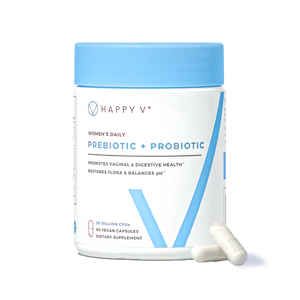
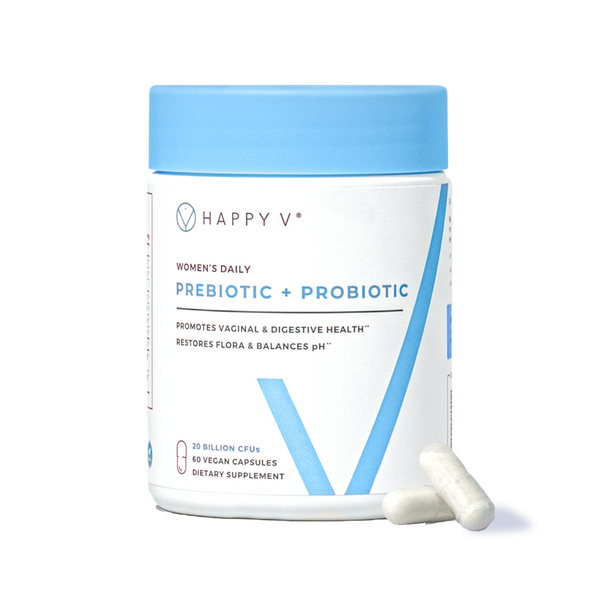
Finally, support your gut with probiotics and prebiotics. A healthy gut microbiome strengthens the intestinal barrier that prevents toxins from entering your bloodstream. Probiotic-rich foods like yogurt and kefir alongside fiber-rich prebiotic foods help maintain this barrier and support overall well-being. For additional targeted support, Happy V's Prebiotic + Probiotic contains clinically studied strains that support both gut health and vaginal pH.
Supplements and Herbs Worth Knowing About
While there’s plenty of snake oil being sold in the detoxification space, the truth is that natural remedies have been used for detoxification support for centuries, and several do have credible modern research behind them.13
- Milk thistle (silymarin). Milk thistle is one of the most studied supplements for liver health, with antioxidant and anti-inflammatory properties shown to protect liver cells from damage caused by pollutants and toxins.14
- Dandelion root. It stimulates bile production and acts as a mild diuretic, supporting the body's self-filtration processes through the kidneys and offering some benefits for blood pressure.15
- Green tea. Green tea is rich in catechins that support liver enzyme activity and neutralize free radicals; regular consumption is associated with lower rates of liver disease and heart disease in population studies.16
- Turmeric. Also known as curcumin, turmeric supports both phases of liver detoxification and reduces the oxidative stress that can impair organ function over time. Turmeric is delicious as a cooking spice and easy to throw into a morning smoothie.
Specific detox supplements are where things get a little dicey, and you need to be careful not to fall for marketing language but defer to science.
Some supplements claim to remove heavy metals from the body, but the research on most over-the-counter options is limited, and certain unregulated products can do more harm than good. If you have genuine concerns about heavy metal exposure, talk to a healthcare provider or registered dietitian before reaching for a supplement.
Two supplements with legitimate detox mechanisms worth adding to your routine are probiotics and chlorophyll.
Probiotics help maintain a healthy gut microbiome, which strengthens the intestinal barrier that prevents toxins from entering your bloodstream (especially when paired with prebiotic fiber). Chlorophyllin (a water-soluble derivative of chlorophyll) has antioxidant properties and may help bind to certain environmental toxins in the gut, reducing their absorption before they ever make it into circulation.17
Happy V's Daily Detox Kit covers both: the Prebiotic + Probiotic, formulated with clinically studied strains for gut and vaginal health, paired with Liquid Chlorophyll made with Sodium Copper Chlorophyllin from mulberry leaf extract to support immune health, digestion, and your body's natural detox processes. One bundle, two mechanisms, no guesswork.


Daily Detox Kit
Boost your microbiome and detoxify your body
Lifestyle Habits That Support Natural Detoxification
A good diet sets a strong foundation for detox support, but it works best when your daily habits are backing it up. These six are worth building into your routine.
- Limit alcohol. Your liver metabolizes over 90% of the alcohol you drink, producing acetaldehyde, a toxic byproduct, before converting it to harmless acetate. Chronic heavy drinking damages liver cells and progressively impairs liver function and your body's ability to detoxify. For women, moderate drinking means no more than one drink per day.
- Prioritize quality sleep. Most people know sleep is important, but fewer realize it's also when your brain runs its own detox process. During sleep, your brain's waste-clearance system flushes out metabolic byproducts, including beta-amyloid, a protein associated with Alzheimer's disease. Your brain actually expands its internal space by about 60% while you sleep to make this happen, clearing waste at roughly twice the rate it can while you're awake.
The takeaway: skimping on sleep doesn't just leave you tired; it leaves your brain sitting in its own waste. Aim for seven to nine hours nightly.
- Stay hydrated. Hydration supports kidney filtration, liver function, regular bowel movements, and sweating, all of which your detox system relies on. Dehydration concentrates waste products and slows elimination. Women should aim for at least 8 glasses of water daily, including electrolyte-containing beverages if you're active. Pale yellow urine is a reliable real-time indicator of your hydration level.
- Get regular exercise. Regular exercise reduces chronic inflammation that impairs organ function, improves circulation for better waste removal, and supports healthy weight loss and weight management. Aim for at least 150 minutes of moderate physical activity per week.
- Try deep breathing or sauna. Deep breathing activates the lymphatic system and supports the lungs' role in expelling gaseous waste byproducts. Sauna use promotes sweating, one of the body's natural elimination pathways. Neither replaces your liver and kidneys, but both can complement an overall detox program as part of a broader wellness routine.
- Reduce toxin exposure. Choose natural cleaning products when possible, select personal care items with fewer synthetic ingredients, use glass or stainless steel over plastic, and ventilate your home regularly. Reducing your overall exposure lightens the load your detox system has to carry.
The Bottom Line
Your body doesn't need expensive products to detox. The best ways to support your natural detoxification processes are the unsexy ones: eat detoxifying foods rich in antioxidants and fiber, incorporate evidence-backed natural remedies like milk thistle and green tea, prioritize quality sleep, stay hydrated, get regular exercise, and reduce unnecessary chemical exposure. Skip the detox diets. The most effective detox program is a sustainable lifestyle, one that supports your overall health and well-being every day, not just for seven days in January.
Keep the Conversation Going
- Visit our blog for more women's health tips.
- Join our private Happy V Facebook group to hear from others who've been there.
- Explore supplements designed to support your vaginal health journey.
Disclaimer: This blog is for informational and educational purposes only and is not intended to diagnose, treat, cure, or prevent any disease. Statements about supplements have not been evaluated by the Food and Drug Administration. For more information about vaginal infections, visit the CDC or speak to a licensed healthcare provider.