


- Fact Checked
- December 26, 2025
- 9 min read
How Long It Takes to Balance Vaginal pH and What Supports a Healthy Vaginal Environment


- Written by Daniella Levy • Updated on August 28, 2026
-
Medical Reviewed by Dr. Mariya Petrova

Internationally recognized microbiome specialist focused on urogenital microbiota and lactobacilli; PhD...
- Updated on August 28, 2026

Table of Contents
Table of Contents
If you're dealing with vaginal pH imbalance, and especially the uncomfortable itching and odor that can go with it, you're probably wondering, “How long will this last, exactly?” or “When will I actually feel relief?” The answer depends on how you’re working to remedy this imbalance, but the good news is that with the right methods, you can start seeing meaningful improvements within days to weeks.
So what are those “right methods”? We’ll discuss what science says (and what it doesn’t) about restoring and maintaining balance for the long-term, so you can feel your best.
This post is for informational purposes only and does not constitute medical advice. See full disclaimer below.
Understanding Vaginal pH Balance

Before we get into how to improve your vaginal pH balance, let’s take a minute to discuss what it actually is. Because your vaginal pH may be a number, it’s actually an indicator of something much larger.
A healthy vaginal pH is between 3.8 and 4.5. On the pH scale, this is slightly acidic, and this slight acidity serves as your body's defense system1. It keeps harmful, infection-causing bacteria at bay while supporting the growth of beneficial lactobacilli bacteria that release the lactic acid that determines vaginal pH in the first place.
Basically, a healthy vaginal pH is typically supported by the healthy lactobacilli living in your microbiome, which produce lactic acid and help protect against harmful microorganisms.2 When pH drifts higher than that acidic range, it's often a sign that those lactobacilli have thinned out, which can leave room for less friendly bacteria to take over, including those behind bacterial vaginosis and general discomfort.
The most common causes of abnormal vaginal pH include:

- Sexual activity (especially unprotected sex or sex with new partners or multiple partners)
- Menstrual cycle changes
- Douching
- Using scented washes or feminine hygiene products
- Certain lubricants
- Not changing pads or tampons frequently
- Stress
At-home vaginal pH kits let you test your pH whenever you want, but a single reading tells you less than you might think. Your pH naturally fluctuates (think: during your period, after sex, and mid-cycle), and a temporary shift isn't a sign that something's wrong. Vaginal microbiota aren't static; they respond to normal physiological changes all the time. What's worth paying attention to is persistence: symptoms that stick around, like itching, odor, or unusual discharge, or pH readings that stay elevated over time rather than bouncing back. That pattern is more likely to reflect an actual disruption in your microbiome.
How long does it take to balance vaginal pH?
Because most people only catch a pH imbalance after symptoms appear, the timeline for restoring vaginal pH depends on many things, including how severe those symptoms are, how long they’ve been going on, what caused the imbalance in the first place, and how quickly you consult your doctor and begin their recommended treatment.
Some women see improvement in vaginal comfort in a few days, while for others, it takes several weeks of consistent effort. The key is to not fall for internet trends, which can often do more harm than good, but stick to methods that are backed by science.
Supporting Vaginal pH Balance at Home

These lifestyle factors can help support a healthy vaginal environment and are part of maintaining overall vaginal health.3 Just remember they are not meant to replace treatment for an active vaginal infection. Any persistent symptoms or concerns should be discussed with a healthcare professional to identify the underlying cause and appropriate management.
Skip Douching + Ditch Scented Products
Douching and scented products (like fragranced washes, sprays, wipes, or pads) can disrupt your vagina’s natural ecosystem and harm the beneficial bacteria living in your vagina5.
Because your vagina is self-cleaning, cleaning should only be done externally (aka in the vulva area) with warm water and mild, unscented soap. With these changes, many women notice less irritation and improved comfort within a week.
Breathable Underwear and Clothing Choices
Moisture build-up creates the perfect environment for harmful bacteria overgrowth4. Swapping out synthetic nylon underwear for breathable cotton allows air circulation and keeps the vaginal area dry. Also avoid tight pants when possible and change quickly out of wet swimsuits or sweaty workout clothes.
These simple swaps can go a long way in maintaining a healthy vaginal environment and reducing conditions that allow harmful bacteria to thrive.
Diet Tweaks That Support pH Balance
You know that saying, “You are what you eat?” It’s kinda true when it comes to your vaginal microbiome.
When it comes to eating for vaginal health, focus on cutting back on sugary, processed foods and adding in whole foods. Cutting back on added sugar and ultra-processed foods can help support pH balance, since high sugar intake may encourage unwanted bacterial or yeast overgrowth. Adding foods like yogurt, kefir, sauerkraut, and kimchi, as well as fiber-rich foods like veggies and oats, can also help support the beneficial bacteria living in your vagina. With consistency, many people notice a real increase in their daily comfort within a few weeks or months.
Stress Management
Stress directly impacts vaginal pH6. When you're stressed, your body produces excess cortisol, which disrupts your hormonal balance and can alter vaginal acidity.
Find ways to regulate cortisol levels and bring stress levels down. For some women, this involves daily meditation, while for others it’s committing to getting outside daily, taking regular walks, or making more time for friends or hobbies.
Even 10-15 minutes of daily stress management can support pH balance. You might notice reduced symptoms within 1-2 weeks as your stress hormones stabilize.
Hydration
Drinking plenty of water supports your body's natural pH regulation systems by helping flush toxins and supporting the mucous membranes that line vaginal tissues7. Aim for 8-10 glasses daily, and you’ll likely notice a difference in your vaginal comfort in just a few days, though full vaginal pH balance typically takes 1-2 weeks when combined with other supportive measures.
Probiotics to Balance Vaginal pH

Remember how lactobacilli help keep your vaginal pH in that protective acidic range? The lactobacilli already living in your vagina do that work naturally. Separately, some (not all!) Lactobacillus strains have been studied and shown to deliver a health benefit when taken as a supplement. Those specific strains actually qualify as a probiotic,8 so a daily probiotic containing strains clinically studied for vaginal health can be a useful tool for supporting a healthy vaginal environment. Some women notice subtle changes within a few weeks of daily use, and more significant changes after a few months.
Probiotics work by:
- Restoring good bacteria that maintain healthy vaginal pH levels
- Crowding out harmful bacteria that cause symptoms
- Supporting your vaginal microbiome long-term
- Helping to reduce inflammation throughout your body
- Protecting against urinary tract infections and vaginitis
What to Expect Week by Week
It’s important to remember that every body is different, and this timeline can vary depending on your body, your microbiome, and your health history. For many women, though, the first month of a high-quality probiotic tracks something like this:
Week 1: Probiotics begin colonizing your digestive system. You might not notice vaginal changes yet, but the foundation is being laid. The time between eating and taking probiotics matters. Take them on an empty stomach for better absorption.
Week 2: Good bacteria start establishing themselves in your vaginal microbiome. Many women notice reduced odor and less vaginal discharge during this period.
Week 3-4: Your vaginal flora reaches a more stable, pH-balanced state. Symptoms like itchiness, unusual discharge, and discomfort typically improve significantly.
No changes by 4 weeks? Then you might not be taking a high-quality probiotic or one that’s designed specifically for vaginal health. Look at the label to make sure it contains well-studied strains like:
- Lactobacillus acidophilus LA-14®
- Lactobacillus rhamnosus HN001™
- Lactobacillus crispatus CCFM1110™
- Lactobacillus gasseri HLG13™
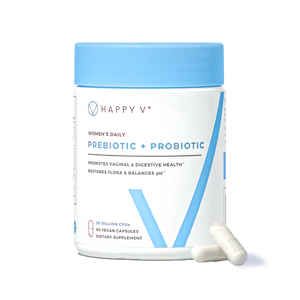
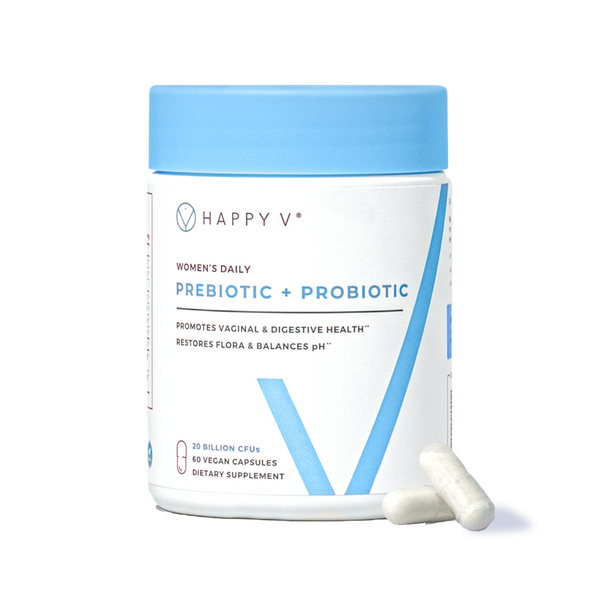
When choosing a probiotic, look for a product that clearly lists the specific strains it contains, the dose of each, and the evidence behind them. Happy V’s Prebiotic + Probiotic lists all of that on the label: clinically studied strains at the doses they were studied at.
A Fresh Start with Happy V
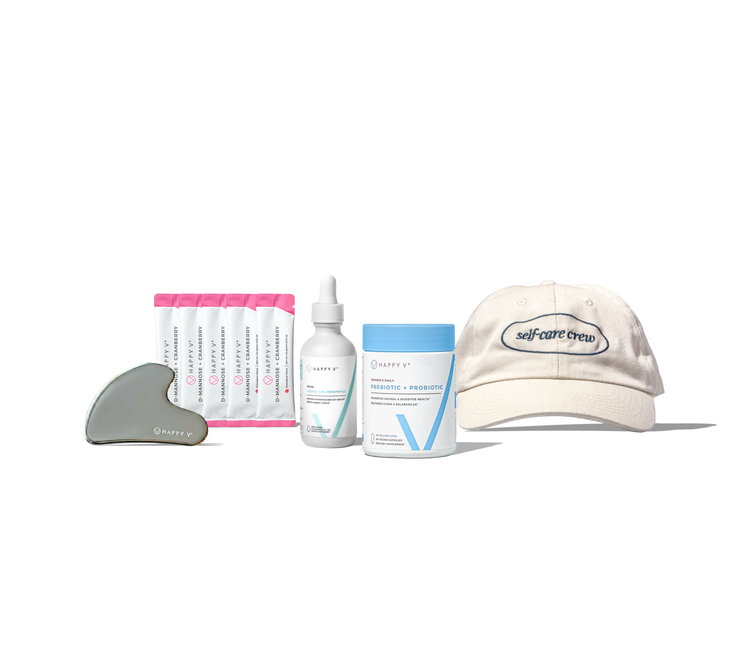
If you’re ready to support a healthier vaginal pH, Happy V’s Fresh Kit includes everything you need to revamp your vaginal wellness.
It, of course, contains our doctor-formulated, 5-star-rated Prebiotic + Probiotic, which contains all those clinically studied strains of Lactobacillus we mentioned earlier, along with other wellness essentials, like:
- Liquid Chlorophyll to support internal freshness and overall body odor balance
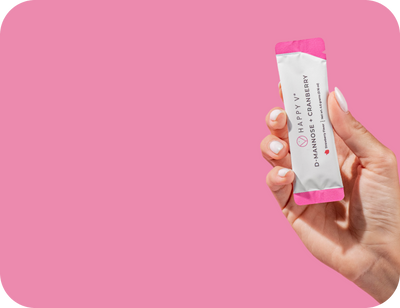
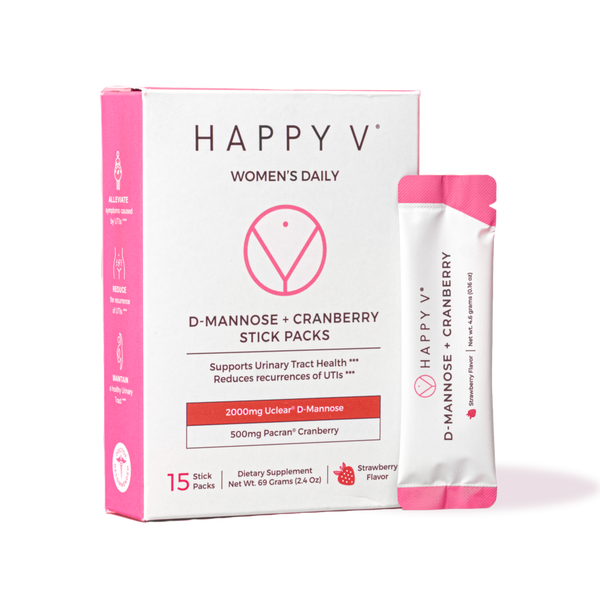
- D-mannose + Cranberry stick packs to support urinary tract health (because vaginal and urinary health are connected!)
- A Happy V water bottle to encourage daily hydration to support pH regulation
- A self-care crew cap to provide you with a little motivation to keep your routine going
Wellness doesn’t have to be complicated, and our Fresh Kit is here to help.
 MOST LOVED
Fresh Start Kit
Daily support to reset your vaginal health and detox from within.
Final Thoughts
Restoring your vaginal pH doesn’t happen instantaneously because it involves your body rebuilding a delicate ecosystem. But with the right support, change can happen relatively quickly, with most women feeling noticeable relief within 1–2 weeks, and more stable, long-term balance within a month.
Small daily choices, like what you wear, what you eat, how you manage stress, and which supplements you take, add up faster than you might think.
If symptoms persist, worsen, or come with intense discomfort or unusual discharge, checking in with a healthcare provider is always the right move. Otherwise, trust the process. Supporting your vaginal microbiome is one of the most effective ways to fight uncomfortable symptoms and maintain vaginal health, now and long term.
Keep the Conversation Going
- Visit our blog for more women's health tips.
- Join our private Happy V Facebook group to hear from others who've been there.
- Explore supplements designed to support your vaginal health journey.
Disclaimer: This blog is for informational and educational purposes only and is not intended to diagnose, treat, cure, or prevent any disease. Statements about supplements have not been evaluated by the Food and Drug Administration. For more information about vaginal infections, visit the CDC or speak to a licensed healthcare provider.