
How IUDs Can Influence the Vaginal Microbiome

  • Fact Checked
  • June 09, 2025
  • 6 min read

How IUDs Can Influence the Vaginal Microbiome

Table of Contents
  1. 1. How IUDs May Affect the Vaginal Microbiome
  2. 2. IUDs and Vaginal Microbial Imbalance
  3. 3. Supporting Vaginal Health While Using an IUD
  4. 4. Safeguard Your Vaginal Wellness With Support From Happy V

Key Takeaways

  • The effect an IUD has on the vaginal microbiota depends on the type of IUD used. Some studies suggest that copper IUDs may be associated with lower level of beneficial Lactobacillus in the vagina.
  • The most common IUD-related imbalances are BV and yeast infections.
  • Other factors that contribute to vaginal imbalance include having a high-sugar diet, using douches and scented soaps, as well as hormonal changes.

Intrauterine devices—or IUDs—are one of the most effective forms of birth control1. In fact, these small, T-shaped contraceptives are over 99% effective in preventing pregnancy. And since they are inserted directly into the uterus, they are incredibly easy to use (no need to remember to take a daily birth control pill!).

However, like many other birth control methods, IUDs can come with side effects2. Dr. Barry Peskin, a doctor of gynecology and obstetrics with over 20 years of experience, advises his patients to expect side effects like irregular bleeding and cramping after IUD insertion.

Some women also report experiencing changes in their vaginal health while using an IUD3. If you’re one of these women and are wondering if your only course of action is to remove the IUD, there may be other options. By learning more about how IUDs may influence the vaginal microbiome, there are steps you can take and lifestyle adjustments that may support vaginal wellness, even while using an IUD.

This post is for informational purposes only and does not constitute medical advice. See full disclaimer below.

How IUDs May Affect the Vaginal Microbiome

An IUD’s effect on the vaginal microbiome (also called vaginal flora or vaginal microbiota) may depend on the type of IUD used4. There are two kinds of IUDs: hormonal IUDs (like Mirena) and copper IUDs (like ParaGard). While many people prefer copper IUDs because they are non-hormonal, some research suggests that copper IUDs may be associated with shifts in the vaginal microbiome (aka the community of bacteria that help maintain vaginal health). Specifically, some studies have observed that copper IUDs may be associated with lower levels of Lactobacillus in the vagina.

Lactobacillus is a critical bacteria for vaginal wellness5. It helps produce lactic acid, which contributes to a slightly acidic vaginal pH. This environment supports the growth of beneficial bacteria.

When Lactobacillus levels are lower, vaginal pH may become less acidic6. Some research has explored whether this change may be linked to a greater likelihood of experiencing microbial imbalance, or an increase in bad bacteria.

Of course, IUDs are not the only factors that may influence the vaginal environment. Other factors include:

By understanding how the body maintains balance and what can affect it, you may be able to support your vaginal wellness through certain habits and daily choices.

IUDs and Vaginal Microbial Imbalance

The two most commonly reported issues associated with vaginal imbalance are yeast overgrowth and bacterial vaginosis (BV)7.

IUDs and BV

Statistically, BV is the most common type of vaginal imbalance8. Most people with BV don’t experience noticeable symptoms. When symptoms do occur, they may include:

  • Vaginal discharge with an unusual odor, often described as a fishy smell
  • Itching around the vaginal opening or vulva
  • A burning sensation while peeing
  • Thin vaginal discharge that’s a grayish color

Healthy Lactobacillus levels and balanced pH are considered supportive of vaginal wellness9. Since copper IUDs have been studied in relation to shifts in Lactobacillus levels, researchers have examined whether IUD use may be associated with a higher incidence of BV compared to other contraceptives. One study found a higher prevalence of BV in people using IUDs compared to those using oral contraceptives. Another article published in Evidence-Based Practice reviewed data that reported a range of 7–47 percent of IUD users had BV, while among oral contraceptive users the range was only 2–35 percent.

IUDs and Yeast Overgrowth

Similarly, some research has looked at the relationship between IUDs and changes in yeast levels10. For example, a 2014 study found higher levels of vaginal candida 12 months after IUD insertion compared to baseline. Another study observed increased levels within three months of insertion.

If you’ve noticed changes in your vaginal health after getting an IUD, you’re not alone. There are simple strategies and lifestyle considerations that may help you feel more balanced while continuing to use your preferred birth control.

Supporting Vaginal Health While Using an IUD

Dr. Peskin recommends discussing any vaginal health concerns with your gynecologist or healthcare provider11. If you’d like to keep your IUD for its convenience and effectiveness, your provider can help you explore options to support your microbiome.

Dr. Peskin often recommends the following strategies to his patients:

  • Practice good hygiene, such as wiping from front to back and using warm water and mild, unscented soap12.
  • Avoid scented soaps, shampoos, or washes in the vaginal area.
  • Eat a balanced diet with fiber, vegetables, fruits, and foods rich in probiotics. Some individuals also consider adding a probiotic supplement to their daily routine.
  • Use protection during sex to help reduce exposure to semen and potential shifts in pH.
  • Choose breathable cotton underwear and avoid synthetic fabrics.

If these adjustments don’t support the level of comfort you're looking for, you can talk with your provider about other contraceptive options, including those that may be less likely to influence the vaginal microbiome. And remember, most forms of birth control—including IUDs—do not protect against sexually transmitted infections (STIs), so it’s important to use barrier methods and get tested regularly if you are sexually active.

Safeguard Your Vaginal Wellness With Support From Happy V

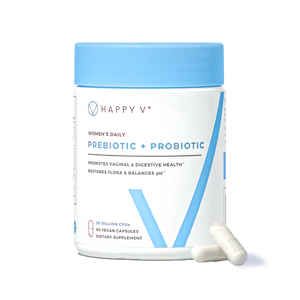
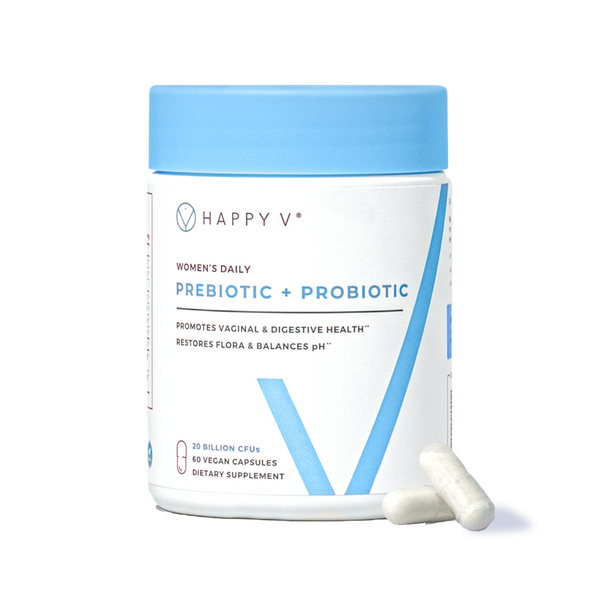
Lactobacillus isn’t just a naturally occurring bacteria—it’s also considered a probiotic. Our Prebiotic + Probiotic features clinically studied strains of Lactobacillus at scientifically supported dosages. When taken daily, it can help support a balanced vaginal microbiome and maintain healthy pH levels.*

When paired with healthy habits like safe sex, a nutritious diet, and good hygiene, Happy V’s probiotic formula can be part of a wellness routine designed to support a healthy vaginal environment.*


Disclaimer: This blog is for informational and educational purposes only. It is not intended to diagnose, treat, cure, or prevent any disease. Statements about dietary supplements have not been evaluated by the Food and Drug Administration (FDA). Always consult your healthcare provider before starting any new supplement.

FAQ

Can an IUD actually affect the vaginal microbiome?

Yes. An IUD can influence the vaginal environment by changing bleeding patterns, inflammation levels, and how stable the vaginal pH remains over time. These shifts can make it harder for protective Lactobacillus bacteria to stay dominant, which may increase the risk of imbalance.

Does this happen with all IUDs or only certain types?

Both hormonal and copper IUDs can affect the vaginal microbiome, but in different ways. Copper IUDs are more often associated with heavier or longer bleeding, which can raise vaginal pH. Hormonal IUDs may alter hormone signalling that indirectly influences the microbiome and vaginal tissues.

Why does bleeding matter so much for vaginal health?

Menstrual blood has a higher pH than the normal vaginal environment. Frequent or prolonged bleeding can temporarily reduce acidity, making it easier for non-beneficial bacteria to grow and harder for Lactobacillus to re-establish dominance.

Can an IUD increase the risk of BV or recurrent BV?

It can for some people. If an IUD leads to repeated pH disruption or inflammation, it may increase susceptibility to BV, especially in those who already have a history of recurrence. This doesn’t mean everyone with an IUD will develop BV, but it can be a contributing factor.

Is BV after getting an IUD common?

It’s not universal, but some people notice BV symptoms appearing or returning after IUD insertion. This often happens within the first months, when bleeding patterns and local inflammation are still adjusting.

How soon after IUD insertion can microbiome changes show up?

Changes can appear within weeks to months. Early spotting, irregular bleeding, or cramping can temporarily disrupt the vaginal environment, which may trigger symptoms in people who are microbiome-sensitive.

Can an IUD cause yeast infections too, or is this mainly about BV?

Both are possible. While BV is more commonly discussed in relation to pH changes, yeast overgrowth can also occur if the vaginal environment becomes unstable or if inflammation affects local immune responses.

How do you know if symptoms are IUD-related or something else?

Timing is a major clue. If symptoms begin soon after insertion or worsen with IUD-related bleeding patterns, the device may be contributing. Persistent symptoms, unusual discharge, strong odor, itching, or pain should still be evaluated to rule out infections or other conditions.

Does removing an IUD restore the vaginal microbiome automatically?

Not always immediately. Removal may eliminate a trigger, but the microbiome still needs time and support to stabilize. Some people notice gradual improvement, while others need targeted treatment or preventive strategies to fully restore balance.

Are probiotics useful if you have an IUD?

Probiotics may help support Lactobacillus levels and overall microbiome stability, particularly if you’re prone to BV or yeast infections. They are not a replacement for medical treatment but can be part of a broader support approach.

Can antibiotics make IUD-related microbiome issues worse?

They can. Antibiotics may reduce both harmful and beneficial bacteria. If you already have pH disruption from bleeding or inflammation, antibiotics can make it harder for the vaginal microbiome to rebalance afterward.

What hygiene habits matter most if you have an IUD?

Avoid internal cleansing, douching, or scented products. Gentle external washing is enough. Minimizing unnecessary disruption helps the microbiome recover from hormonal or bleeding-related changes caused by the IUD.

When should I talk to a doctor about IUD-related vaginal symptoms?

If symptoms are persistent, recurrent, or worsening, or if you’re experiencing strong odor, unusual discharge, pelvic pain, or fever, medical evaluation is important. Recurrent BV or yeast infections are also a reason to reassess whether the IUD is the right fit for your body.

Does having microbiome issues mean an IUD isn’t right for you?

Not necessarily. Many people use IUDs without ongoing vaginal issues. But if symptoms repeatedly return despite treatment and prevention efforts, it may be worth discussing alternative contraception options with a healthcare provider.

[1] Lanzola EL, Auber M, Ketvertis K. Intrauterine Device Placement and Removal. [Updated 2025 Feb 14]. In: StatPearls [Internet]. Treasure Island (FL): StatPearls Publishing; 2025 Jan-.

[2] National Research Council (US) Committee on Population. Contraception and Reproduction: Health Consequences for Women and Children in the Developing World. Washington (DC): National Academies Press (US); 1989. 4, Contraceptive Benefits and Risks.

[3] Peebles K, Kiweewa FM, Palanee-Phillips T, et al. Elevated Risk of Bacterial Vaginosis Among Users of the Copper Intrauterine Device: A Prospective Longitudinal Cohort Study. Clin Infect Dis. 2021;73(3):513-520. doi:10.1093/cid/ciaa703

[4] Bassis CM, Allsworth JE, Wahl HN, Sack DE, Young VB, Bell JD. Effects of intrauterine contraception on the vaginal microbiota. Contraception. 2017;96(3):189-195. doi:10.1016/j.contraception.2017.05.017

[5] Liu P, Lu Y, Li R, Chen X. Use of probiotic lactobacilli in the treatment of vaginal infections: In vitro and in vivo investigations. Front Cell Infect Microbiol. 2023;13:1153894. Published 2023 Apr 3. doi:10.3389/fcimb.2023.1153894

[6] Lin YP, Chen WC, Cheng CM, Shen CJ. Vaginal pH Value for Clinical Diagnosis and Treatment of Common Vaginitis. Diagnostics (Basel). 2021;11(11):1996. Published 2021 Oct 27. doi:10.3390/diagnostics11111996

[7] Carlson K, Mikes BA, Garg M. Bacterial Vaginosis. [Updated 2025 Nov 7]. In: StatPearls [Internet]. Treasure Island (FL): StatPearls Publishing; 2025 Jan-.

[8] Cleveland Clinic. Vaginal Yeast Infection: Causes, Symptoms & Treatment. Cleveland Clinic Health Library. Medically reviewed and last updated May 20, 2025. Accessed January 2026.

[9] Cleveland Clinic. Vaginal Discharge: Causes, Colors, What’s Normal & Treatment. Cleveland Clinic Health Library. Last reviewed July 22, 2022. Accessed January 2026.

[10] Chassot F, Negri MFN, Svidzinski AE, Donatti L, Peralta RM, Svidzinski TI, Consolaro M. Can intrauterine contraceptive devices be a Candida albicans reservoir? Contraception. 2008;77(5):355-359. doi:10.1016/j.contraception.2008.01.007. Accessed January 2026.

[11] Martino JL, Vermund SH. Vaginal douching: evidence for risks or benefits to women's health. Epidemiol Rev. 2002;24(2):109-124. doi:10.1093/epirev/mxf004

[12] Chen Y, Bruning E, Rubino J, Eder SE. Role of female intimate hygiene in vulvovaginal health: Global hygiene practices and product usage. Womens Health (Lond). 2017;13(3):58-67. doi:10.1177/1745505717731011

[1] Lanzola EL, Auber M, Ketvertis K. Intrauterine Device Placement and Removal. [Updated 2025 Feb 14]. In: StatPearls [Internet]. Treasure Island (FL): StatPearls Publishing; 2025 Jan-.

[2] National Research Council (US) Committee on Population. Contraception and Reproduction: Health Consequences for Women and Children in the Developing World. Washington (DC): National Academies Press (US); 1989. 4, Contraceptive Benefits and Risks.

[3] Peebles K, Kiweewa FM, Palanee-Phillips T, et al. Elevated Risk of Bacterial Vaginosis Among Users of the Copper Intrauterine Device: A Prospective Longitudinal Cohort Study. Clin Infect Dis. 2021;73(3):513-520. doi:10.1093/cid/ciaa703

[4] Bassis CM, Allsworth JE, Wahl HN, Sack DE, Young VB, Bell JD. Effects of intrauterine contraception on the vaginal microbiota. Contraception. 2017;96(3):189-195. doi:10.1016/j.contraception.2017.05.017

[5] Liu P, Lu Y, Li R, Chen X. Use of probiotic lactobacilli in the treatment of vaginal infections: In vitro and in vivo investigations. Front Cell Infect Microbiol. 2023;13:1153894. Published 2023 Apr 3. doi:10.3389/fcimb.2023.1153894

[6] Lin YP, Chen WC, Cheng CM, Shen CJ. Vaginal pH Value for Clinical Diagnosis and Treatment of Common Vaginitis. Diagnostics (Basel). 2021;11(11):1996. Published 2021 Oct 27. doi:10.3390/diagnostics11111996

[7] Carlson K, Mikes BA, Garg M. Bacterial Vaginosis. [Updated 2025 Nov 7]. In: StatPearls [Internet]. Treasure Island (FL): StatPearls Publishing; 2025 Jan-.

[8] Cleveland Clinic. Vaginal Yeast Infection: Causes, Symptoms & Treatment. Cleveland Clinic Health Library. Medically reviewed and last updated May 20, 2025. Accessed January 2026.

[9] Cleveland Clinic. Vaginal Discharge: Causes, Colors, What’s Normal & Treatment. Cleveland Clinic Health Library. Last reviewed July 22, 2022. Accessed January 2026.

[10] Chassot F, Negri MFN, Svidzinski AE, Donatti L, Peralta RM, Svidzinski TI, Consolaro M. Can intrauterine contraceptive devices be a Candida albicans reservoir? Contraception. 2008;77(5):355-359. doi:10.1016/j.contraception.2008.01.007. Accessed January 2026.

[11] Martino JL, Vermund SH. Vaginal douching: evidence for risks or benefits to women's health. Epidemiol Rev. 2002;24(2):109-124. doi:10.1093/epirev/mxf004

[12] Chen Y, Bruning E, Rubino J, Eder SE. Role of female intimate hygiene in vulvovaginal health: Global hygiene practices and product usage. Womens Health (Lond). 2017;13(3):58-67. doi:10.1177/1745505717731011