

- Fact Checked
- May 18, 2026
- 10 min read
Does Yogurt or Fermented Foods Really Help Vaginal Health?

-
Written by
Hans Graubard
• Updated on May 27, 2026

Dietary supplement manufacturing, regulatory and product development, and DTCt; leadership experience...
- Updated on May 27, 2026
Table of Contents
Table of Contents
If you've ever Googled what to eat for vaginal health, you've probably seen yogurt at the top of the list. And while yogurt and fermented foods can offer health benefits, the full answer is more nuanced than most health content lets on.
Fermented foods support the gut microbiome, which in turn influences the vaginal microbiome. This connection may be indirect, but it is real. Where most people misunderstand (and some health content intentionally misleads) is that fermented foods don't work like a targeted delivery system, meaning they don't reliably send the right strains of good bacteria directly to your vagina in clinically meaningful amounts. Understanding that distinction matters, especially if you're managing recurrent vaginal infections or persistent pH balance issues.
Here's what the science actually says, without the wellness hype.
This post is for informational purposes only and does not constitute medical advice. See full disclaimer below.
How Your Gut Microbiome Influences Vaginal Health
No system in your body is an island, and this is especially true for the gut and vagina.1 The two are actually connected through a network of microbial, hormonal, and immune pathways often called the gut-vagina axis, and research actually suggests that the makeup of your gut microbiome can influence the composition of your vaginal microbiome. So if you have a diverse, balanced gut, this not only supports healthier digestion but may help support a more protective vaginal environment.
This means that the opposite is also true. When the gut microbiome becomes disrupted, whether from antibiotics, a high-sugar diet, chronic stress, or illness, it can create systemic inflammation and immune shifts that leave the vaginal microbiome more vulnerable to infections like bacterial vaginosis (BV).2
Another connection between the two: Lactobacillus is the key genus of healthy bacteria in both microbiomes. In the vagina in particular, specific Lactobacillus strains help maintain the slightly acidic vaginal pH (typically 3.8–4.5) that protects against harmful bacteria and yeast overgrowth. When these populations drop, it also opens the door for vaginal problems like BV and yeast infections. For a deeper look at how Lactobacillus operates within the vaginal microbiome, see our article What Is Lactobacillus? Best Probiotic Strains to Treat and Prevent BV.3
.
What Fermented Foods Can (and Can't) Do
Fermented foods introduce healthy bacteria to the gut, and a healthier gut can have downstream effects on vaginal flora.4
That said, the strains of bacteria in most fermented foods aren't the same strains that colonize vaginal tissue, and even the best options face real obstacles before they get anywhere near your vaginal microbiome.5 Stomach acid destroys a significant portion of the bacteria from fermented foods before they reach the intestinal tract, and the strains that do survive aren't the specialized ones that thrive in vaginal tissue.
That doesn't make fermented foods useless. Far from it, actually. For generally healthy women, they’re a smart addition to a broader healthy diet approach. For women with recurrent vaginal infections or active imbalance, fermented foods can support other lifestyle changes, but they are not a solution all on their own.6
Not all fermented foods are created equal, either. Some deliver more live bacteria than others, with the strongest options being:
- Kefir. Kefir is a fermented dairy drink with a wider variety and higher concentration of live bacteria than most yogurts and is generally considered one of the more potent dietary probiotic sources.
- Kimchi and sauerkraut. Fermented vegetables are rich in naturally occurring Lactobacillus. Look for refrigerated, unpasteurized versions. Heat-treated shelf-stable varieties have had the live cultures destroyed.
- Miso. This fermented soybean paste has beneficial bacteria and prebiotics. Add it after cooking rather than boiling to preserve live cultures.
- Probiotic yogurt. Conventional yogurt uses bacterial cultures for texture and flavor, but those strains may not survive digestion in meaningful numbers. Look for yogurt specifically labeled "probiotic" with named strains on the label, and choose plain, unsweetened varieties. Added sugar feeds harmful bacteria and works against the benefit you're going for.
When Food Is Enough… and When It Isn't
For women with a healthy vaginal microbiome who don’t struggle with frequent vaginal infection, consistent fermented food consumption as part of an overall anti-inflammatory diet can help maintain the health they’ve been doing (as does staying hydrated!).7
For women with recurrent bacterial vaginosis, yeast infections, or who are trying to support their microbiome after antibiotic use, though, fermented food isn't sufficient to help replenish the low lactobacillus levels. This is where strain-specific probiotic supplements come in, particularly ones delivering strains of Lactobacillus that have been clinically studied to support vaginal health.8
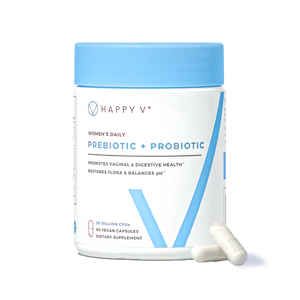
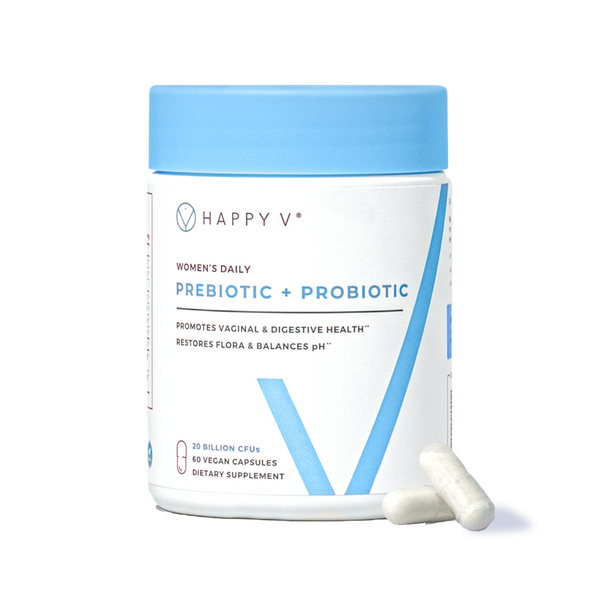
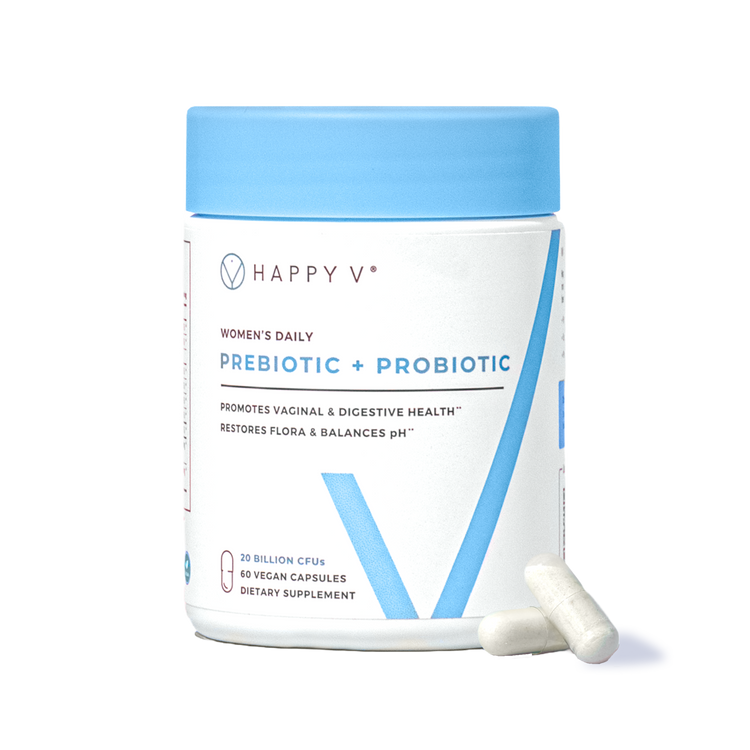
Happy V's probiotic formula contains only clinically studied strains, including the powerhouses Lactobacillus rhamnosus HN001 and Lactobacillus acidophilus LA-14. Together, these strains have been shown in randomized controlled trials to colonize the vaginal tract when taken orally, elevate vaginal Lactobacillus levels, improve vaginal microbiota balance in women with BV symptoms, and reduce the recurrence rate of yeast infections. L. acidophilus LA-14 also has antipathogenic activity (meaning it actively inhibits the growth of harmful vaginal bacteria) while L. rhamnosus HN001 supports immune defenses that help keep the vaginal environment stable. That is just one research-backed reason why Happy V’s unique formula was shown in preclinical studies to inhibit the growth of Gardnerella vaginalis (the main bacteria responsible for BV symptoms).
 Bestseller
Prebiotic + Probiotic
Maintains vaginal pH and restores gut health.
Along with choosing the right probiotic formula, timing can also make a difference. See our guide on the best time of day to take probiotics for practical guidance on getting the most from your supplement routine.
Myths to Stop Believing About Vaginal Health
Though we’ll be getting into more evidence-based ways to support vaginal health, knowing what to nix from your routine is just as important as knowing what to add.
Here are the myths that could be holding you back from achieving vaginal wellness or even actively contributing to your vaginal symptoms.
Myth: Inserting Yogurt Vaginally Treats BV or Yeast Infections
This keeps circulating online, and it's worth addressing directly: inserting yogurt into the vaginal area is not a safe or effective treatment, even if it’s probiotic yogurt. Introducing any kind of yogurt internally can disrupt vaginal pH levels, irritate the vaginal walls, and worsen the infection you're trying to overcome.9
If you're dealing with BV or a yeast infection, the right treatment is one that’s evidence-based, not DIY. For home remedies that actually work, check out our complete guide that shares evidence-based practices only.
Myth: Any Probiotic Food Will Do the Job
Strain specificity matters. The Lactobacillus strains that maintain a healthy vagina aren't the same strains found in most fermented foods, and they behave differently depending on the environment. A food that benefits your gut doesn't automatically benefit your vaginal health, and the same principle applies to supplements.10
Myth: Douching Keeps the Vagina Clean
No. No no no. Douching is actually one of the most harmful misconceptions in women's health.11 That’s because the vagina is self-cleaning. It produces vaginal discharge and secretions that naturally maintain pH balance and a healthy natural balance of bacteria. Douching disrupts vaginal flora, strips protective good bacteria, and significantly increases the risk of bacterial vaginosis, yeast infections, and STIs.
There is no clinical evidence (like, none) that douching improves vaginal health. If you have concerns about vaginal odor, that's a conversation for your healthcare provider, not a reason to douche.
Myth: Specialized Cleaning Products Are Better
The market for vaginal cleaning products (think: scented soaps, wipes, sprays, and steam treatments) is large and largely unsupported by evidence.12 The external vulva and genital area need nothing more than warm water and, if desired, a mild unscented soap. Harsh soaps and fragrant cleansers can cause contact irritation and disrupt the natural balance they claim to improve.
Myth: You Can Reliably Self-Diagnose a Vaginal Infection
Many vaginal infections share overlapping symptoms. For example, changes in vaginal discharge, vaginal odor, and itching can all be present with bacterial vaginosis, a yeast infection, vaginitis, or an STI.
Over-the-counter (OTC) antifungal treatments are only appropriate for confirmed yeast infections.13 Treating the wrong health issue with the wrong product can worsen the infection and delay proper treatment. If you're unsure, an OB/GYN appointment is the right call, not a self-treatment attempt.
Hygiene, Lifestyle, and Other Factors That Matter
Diet and targeted supplements are one piece of the picture when it comes to improving vaginal health.
A few other evidence-based habits that support a healthy vagina include:
- Cleaning externally only. When cleaning yourself, use warm water and a fragrance-free soap on the external vulva and genital area only. Nothing goes inside the vagina. Not douches, not scented sprays, and not specialized cleaning products. The vagina is self-cleaning and does that work itself.14
- Choosing breathable clothing. Cotton underwear allows airflow and discourages the warm, moist conditions that yeast and bacteria favor. Tight-fitting synthetic fabrics work against vaginal health, particularly during prolonged wear.15
- Grooming mindfully. Pubic hair provides a natural barrier against friction and external bacteria. Shaving and waxing can cause microabrasions that temporarily increase infection vulnerability. Giving yourself a simple trim is the most health-conscious way to groom.16
- Supporting hydration and hormonal balance. Adequate hydration supports vaginal secretions and mucosal tissue health.17 Birth control and hormonal shifts across the menstrual cycle, including during menstruation, can influence vaginal pH and natural flora. It's worth tracking if you notice cyclical patterns in symptoms, and worth discussing with your healthcare provider if patterns are persistent.
- Practice safe sex. Sexual activity directly affects the vaginal microbiome because semen is alkaline and temporarily raises vaginal pH. More than that, unprotected sex increases bacterial and STI exposure. Using condoms consistently reduces STI risk and helps stabilize vaginal pH. Spermicides can also irritate vaginal tissue and disrupt the natural balance in some women. It’s worth discussing with your healthcare provider if you experience recurring irritation after use. Post-intercourse urination also reduces UTI risk by flushing bacteria from the urethra.18
- Urinate after sex. Post-intercourse urination helps flush bacteria from the urethra and is one of the simplest things you can do to reduce UTI risk. You don’t need to run away the minute the fun is over, but within 20-30 minutes is extremely helpful.19
- Use the right lubricants and moisturizers. For lubrication during sex, water-based or silicone-based lubricants are the safest choices. They don't disrupt vaginal flora or degrade condoms. Avoid lubricants with glycerin, which can contribute to yeast overgrowth, or added fragrances that cause irritation. For ongoing vaginal dryness, which is especially common during menopause as estrogen declines, regular use of vaginal moisturizers can maintain tissue health over time. For significant dryness affecting the vaginal walls and surrounding tissue, vaginal estrogen is a prescription option worth discussing with your healthcare provider if OTC options aren't sufficient.
When to See a Provider
Food, hygiene, and lifestyle habits all support vaginal health, but they don't (and can’t ever) replace professional healthcare. Annual wellness visits with your OB/GYN are an opportunity to get pap smears, screen for STIs, discuss hormonal changes, address shifts in vaginal discharge or symptoms, and get guidance that no supplement or healthy diet can substitute for. They can also catch infections you don’t even know you have, since BV and even many STIs can be asymptomatic. Routine check-ups are how small imbalances stay small.
If you're experiencing persistent vaginal problems, recurrent infections, painful sex, vaginal dryness that isn't responding to OTC care, or anything that doesn't feel right, make the appointment. You will thank yourself later. Trust us.
Keep the Conversation Going
- Visit our blog for more women's health tips.
- Join our private Happy V Facebook group to hear from others who've been there.
- Explore supplements designed to support your vaginal health journey.
Disclaimer: This blog is for informational and educational purposes only and is not intended to diagnose, treat, cure, or prevent any disease. Statements about supplements have not been evaluated by the Food and Drug Administration. For more information about vaginal infections, visit the CDC or speak to a licensed healthcare provider.