


- Fact Checked
- October 09, 2026
- 15 min read
Liquid Chlorophyll vs. Body Odor: Does It Actually Change How Your Vagina Smells?

-
Written by
Hans Graubard
• Updated on October 09, 2026

Dietary supplement manufacturing, regulatory and product development, and DTCt; leadership experience...
- Updated on October 09, 2026
Table of Contents
Table of Contents
If you've spent any time on TikTok, you've probably seen it: a glass of water swirling with emerald green drops, and a caption promising clearer skin, better digestion, and a body that smells like, well, nothing.
Liquid chlorophyll became one of the internet's favorite wellness trends almost overnight, and one of its most repeated claims is that it works like an internal deodorant. But just because someone claims something is true doesn’t mean it actually is, and the story of liquid chlorophyll is more complicated than you might expect, especially when it comes to body and vaginal odor.
This post is for informational purposes only and does not constitute medical advice. See full disclaimer below.
What Is Liquid Chlorophyll?
Chlorophyll is the green pigment in plants that lets them turn sunlight into energy. Every green plant you eat, from spinach to green beans, contains it. Liquid chlorophyll is a supplement version of that pigment, designed to give you a concentrated daily dose. To understand how the two compare, it helps to start with the source.
Natural Food Sources vs. Supplements
Chlorophyll isn't only found in a bottle. Foods rich in chlorophyll include:
- Spinach, kale, and other dark leafy greens
- Parsley, cilantro, and other fresh herbs
- Green beans, peas, and broccoli
- Wheatgrass and other young cereal grasses
- Green fruits and vegetables like kiwi, green apples, and avocado
Frozen vegetables count too. They're typically blanched and frozen at peak freshness, so they hold onto their color and nutrients well. (One tip: overcooking greens turns them olive-drab, a sign that chlorophyll is breaking down, so a quick steam or sauté is your friend.)
Whole foods bring everything that comes along with the green pigment: fiber, phytochemicals, antioxidants, and a full lineup of vitamins and minerals. A supplement, on the other hand, offers a concentrated, consistent dose in a form your body absorbs more easily. The two work best together. A liquid chlorophyll supplement does not serve as a replacement for eating your actual greens.
Chlorophyll vs. Chlorophyllin
Natural chlorophyll is fat-soluble and fairly unstable, which makes it tricky to bottle. So most liquid chlorophyll supplements contain chlorophyllin instead, a semi-synthetic, water-soluble form made by replacing the magnesium at the center of the chlorophyll molecule with copper and adding sodium.
On the label, look for "sodium copper chlorophyllin" or "chlorophyllin copper complex." That's the form most research has studied, and it behaves a little differently in your body than the chlorophyll in your salad.
The Science Behind Chlorophyll and Body Odor
The internet tends to oversell chlorophyll, but that doesn't mean it doesn’t have its place in your wellness routine. Let's look at where the "internal deodorant" idea comes from, what research supports it, and where more studies are still needed.
Detoxification and Its Role
Detoxification is one of the most common benefits of chlorophyll you'll see online. The reasoning goes that chlorophyllin binds to odor-causing or toxic compounds in the gut, so fewer of them end up in your sweat or breath.
Now, chlorophyllin can bind to some compounds in lab settings, and possibly in the digestive tract. But that's a long way from proving it "detoxes" you. Your liver and kidneys handle detoxification every day, and there's no good evidence that a daily dose of liquid chlorophyll meaningfully improves that process in healthy people.
It also helps to know where body odor actually comes from. Sweat itself is mostly odorless. The smell develops when bacteria on your skin break down compounds in sweat, especially from apocrine glands in your armpits and groin. That's a skin microbiome process, which is why good hygiene and a quality deodorant remain your first line of defense against body odor.
Where the Deodorant Reputation Comes From
Chlorophyllin's odor-fighting reputation didn't start on TikTok. Beginning in the mid-20th century, oral chlorophyllin was used to help reduce odor from colostomies and ileostomies, and to help manage odor related to incontinence. The research behind that use is mostly decades old, and the results have been mixed. Some studies reported less noticeable odor, while others found no clear difference compared with placebo.
It has also been studied for trimethylaminuria, a rare metabolic condition that causes a strong fishy smell in sweat, breath, and urine. One small study, involving only a handful of patients, found that copper chlorophyllin lowered levels of the compound responsible. That's too small to draw firm conclusions, but it's one reason researchers remain interested in chlorophyllin's effect on odor.
For everyday body odor and bad breath, large, well-designed studies haven't been done yet, so scientists can't say for certain how much of a difference chlorophyll makes. Many people report feeling fresher after adding it to their routine, and while those experiences are anecdotal, chlorophyllin's long track record in odor control is part of why interest in it continues. Because it's low risk for most healthy adults, it's a reasonable thing to try as part of a broader approach to freshness.
Does Chlorophyll Change Vaginal Smell?
There's no research showing that chlorophyll changes vaginal smell, and here's why that makes sense.
Vaginal odor is governed mainly by your vaginal microbiome, not by what your sweat smells like. A healthy vagina is dominated by Lactobacillus bacteria, which produce lactic acid and keep your pH in its naturally acidic range (roughly 3.8 to 4.5). That environment has its own mild, slightly tangy or musky scent, and that's completely normal.
When that balance shifts, other bacteria can overgrow. Bacterial vaginosis (BV), for example, often causes a noticeable fishy odor, especially after sex or during your period. Trichomoniasis and other infections can cause odor changes, too. Chlorophyll doesn't treat these conditions or restore your Lactobacillus population, so if vaginal odor is your main concern, you'll want to pair it with support that targets your vaginal microbiome directly.
If you're dealing with a persistent fishy smell, check out our guide to home remedies for fishy vaginal odor, or read more about why you might be smelling yourself through your pants.
Other Potential Health Benefits of Liquid Chlorophyll
Beyond body odor, researchers have explored chlorophyll for a range of potential benefits. Much of this work is still early, coming from lab studies, animal studies, or small human trials, so it isn't proof that chlorophyll will do the same for you. Still, some of the preliminary findings are genuinely interesting, and they help explain why chlorophyll has stayed on scientists' radar for decades. (For more background, see our overview of the wonders of chlorophyll.)
Here is where the science stands on liquid chlorophyll for overall health:
- Antioxidant support. Chlorophyllin has shown antioxidant properties in lab studies, meaning it may help protect cells from damage caused by free radicals. Antioxidants are one of the main reasons green fruits and vegetables are linked to good health, and chlorophyllin offers a concentrated source of one of those plant compounds.
- Gut health and digestion. Animal studies suggest chlorophyll may help regulate gut microbiota and reduce inflammation in the digestive tract, including in models of inflammatory bowel disease (IBD). Human studies are still limited, but the findings add to a growing interest in how plant compounds support gut health.
- Skin care and acne. Two small pilot studies found that a topical sodium copper chlorophyllin gel improved mild to moderate acne and signs of sun damage. The studies were small and applied chlorophyllin to the skin rather than taking it orally, but they point to anti-inflammatory potential worth exploring further.
- Wound healing. Chlorophyllin has a long history in topical wound care, thanks to its potential anti-inflammatory properties and ability to slow bacterial growth in lab settings. Most of that research focused on ointments, though, rather than oral supplements.
- Weight loss. A small study of women found that a spinach-based thylakoid extract (a green plant membrane supplement) was linked to reduced cravings and modestly greater weight loss over three months. That's a related but different product, and larger studies are needed, but it's an interesting area of research.
- Red blood cell production. Chlorophyll's structure resembles hemoglobin, and a few small wheatgrass studies have looked at its effect on red blood cell production. This research is very early and doesn't show that chlorophyll treats anemia.
The bottom line is this: chlorophyll's benefits aren't proven in large human trials yet, and results can vary from person to person. But it has a strong safety record, real antioxidant activity, and promising early research, which makes it a reasonable addition to a healthy routine for many people.
Side Effects and Safety
Liquid chlorophyll is generally considered low risk for most adults when used as directed, but "natural" doesn't mean side-effect free. Possible side effects include:
- Green, yellow, or dark stool, and sometimes a green-tinged tongue
- Diarrhea, cramping, gas, or occasionally constipation
- Nausea or an upset stomach
Chlorophyll can also act as a photosensitizer, meaning it may make your skin more sensitive to sunlight. That's worth knowing if you take other photosensitizing medications or spend a lot of time outdoors.
Toxic effects are rare, but supplements aren't regulated like medications, so quality and potency vary. Always follow the dosing instructions on the label, whether you choose drops or a tablet form, and talk to your doctor before starting liquid chlorophyll if you're pregnant, breastfeeding, or taking prescription medications.
How to Choose a Liquid Chlorophyll Supplement
Many people are surprised to learn that supplements aren't reviewed by the FDA for effectiveness before they're sold, which means quality can vary widely from brand to brand.
Given how many manufacturers have jumped on the liquid chlorophyll bandwagon, it’s helpful to know what to look for in a supplement. Here are some tips to keep in mind:
- Read the ingredient list. Look for "sodium copper chlorophyllin" on the label so you know you're getting the water-soluble form that research has focused on. Some products use plant extracts without listing the actual chlorophyllin content.
- Check the amount per serving. A clear milligram amount is a good sign. Vague terms like "proprietary green blend" make it hard to know how much you're taking.
- Keep the ingredient list clean. Added sugars, artificial colors, and unnecessary fillers don't add benefit.
- Look for realistic claims. Trustworthy brands describe what their product is designed to support rather than promising to cure or eliminate anything.
- Choose a form you'll actually use. Liquid drops, capsules, and tablet form options all typically contain chlorophyllin. Many people prefer liquids because they're easy to mix into water, and a pleasant flavor makes the habit easier to keep.
- Follow the dosing instructions. Taking more than the recommended amount won't boost results and can cause digestive side effects like cramping, gas, or diarrhea.
- Talk to your doctor first if you're pregnant, breastfeeding, take medications that increase sun sensitivity, or have a digestive condition.
Happy V Liquid Chlorophyll checks these boxes. It's made with sodium copper chlorophyllin sourced from mulberry leaves, the water-soluble form that's easier for your body to absorb, with a clear 100 mg dose per serving. It's vegan, mint-flavored, and simple to take. Just add two droppers to a glass of water in the morning before breakfast. Each bottle holds 30 servings, so a single bottle covers a full month of your daily routine, and our subscription means you’ll get it shipped to your door every month.

Liquid Chlorophyll
Detoxifies the body and eliminates unwanted body odors.
If Vaginal Odor Is Your Concern
Chlorophyll can be a helpful part of your overall freshness routine, but vaginal odor has its own root cause: your vaginal microbiome. For that, you'll want support that works directly on the balance of bacteria down there.
If keeping vaginal odor and infections at bay is what ultimately brought you to this page, the supplement worth considering might not be liquid chlorophyll but rather a vaginal probiotic.
When comparing probiotics for vaginal health, look for:
- Strains listed by their full name, including the strain code (like L. rhamnosus HN001), not just the species. Strain-level labeling shows a brand knows exactly which bacteria it's using and why.
- Lactobacillus strains associated with vaginal health, such as L. crispatus, L. rhamnosus, L. gasseri, and L. reuteri.
- A clear CFU count so you know how many live cultures you're getting.
- A prebiotic to help support the probiotic bacteria once they arrive.
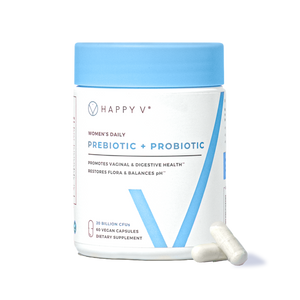
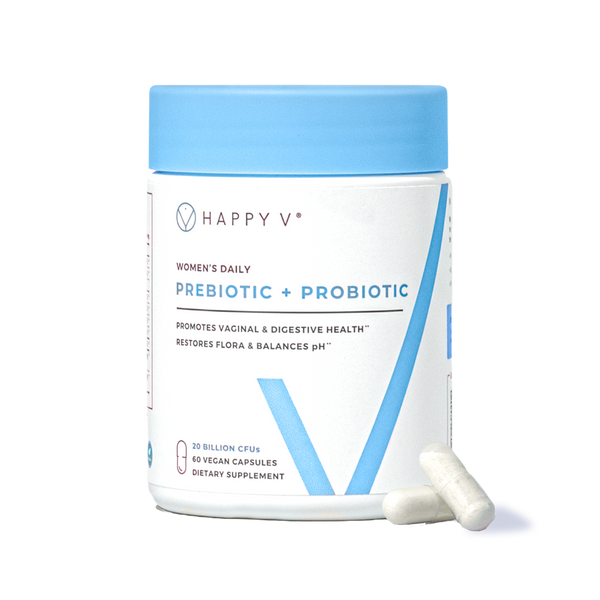
Happy V's Prebiotic + Probiotic was formulated with exactly these criteria in mind. It includes L. crispatus CCFM1110, L. rhamnosus HN001, L. gasseri HLG13, and L. reuteri HR7, along with L. acidophilus LA-14, B. lactis HN019, and Bacillus subtilis DE111, all listed by strain on the label. It also contains PreforPro, a phage-based prebiotic designed to support beneficial bacteria, plus biotin. Together, they're designed to restore your vaginal microbiome and protect against future odors.
Other Natural Remedies for Body Odor
While liquid chlorophyll has a place in your larger wellness routine, it likely won’t be the main player.
If your goal is to reduce body odor or feel fresher overall, these are impactful habits worth focusing on:
Diet and Its Impact on Body Odor
What you eat can influence how you smell. Garlic, onions, curry spices, alcohol, and very high intakes of red meat are common culprits of body odor. That’s because sulfur compounds and other byproducts from these foods can show up in your sweat and breath for hours after a meal. You don’t have to cut these foods out of your diet altogether (your food may taste pretty bland without it!), but if you notice a pattern, it's worth paying attention to.
On the other side, a diet rich in fiber supports the bacteria in your gut, and a healthy gut is one piece of the bigger picture when it comes to digestion, bad breath, and how your body processes what you eat. A balanced plate that gives those beneficial bacteria plenty of fuel generally looks like this:
- Vegetables and fruits: Aim to fill about half your plate. Leafy greens, green beans, peas, broccoli, and fresh herbs bring chlorophyll along with fiber and antioxidants, while colorful fruits and vegetables add a wider range of phytochemicals.
- Whole grains: Oats, brown rice, quinoa, farro, and whole wheat provide fiber and B vitamins that refined grains lose in processing.
- Lean proteins: Fish, poultry, eggs, and Greek yogurt help keep you full and support muscle and tissue repair.
- Plant-based proteins: Beans, lentils, chickpeas, tofu, and tempeh offer protein plus fiber, which animal proteins don't.
- Nuts and seeds: Almonds, walnuts, chia, flax, and pumpkin seeds add healthy fats, minerals, and a little extra fiber.
You don't have to follow a strict plant-based diet to benefit. Simply shifting more of your plate toward plants, while keeping protein in the mix, is enough to boost your intake of fiber, vitamins and minerals, and yes, chlorophyll.
That's where a supplement can fit in. Liquid chlorophyll can't replace the nutrients whole foods provide, but it's an easy way to add a concentrated dose of green pigment on days when your meals fall short on greens. Think of it as a complement to a healthy diet, not a substitute for one.
Proper Hydration
Drinking enough water supports digestion and helps keep your breath fresher, since a dry mouth gives odor-causing bacteria more room to grow. If you take liquid chlorophyll, mixing it into your morning glass of water is a simple way to start the day hydrated.
Essential Oils and Their Benefits
Some essential oils, like tea tree oil, have antimicrobial properties, and diluted versions are sometimes used in underarm deodorant alternatives. They can help with odor on your skin.
One important rule: keep essential oils away from your vulva and vagina. They can irritate delicate tissue and disrupt your vaginal pH. For intimate care, stick to a gentle, pH-balanced cleanser like Happy V's Feminine Wash on the external vulva only, and skip douching entirely.
When to Consult a Healthcare Provider
Body odor and vaginal scent naturally shift with your cycle, workouts, and diet, and no vagina is completely odorless. But some changes deserve a visit to your doctor. These include:
- A strong fishy odor, especially after sex
- Gray, green, yellow, or frothy discharge
- Itching, burning, or pain during urination or sex
- A sudden change in body odor that doesn't go away
- Odor that persists despite good hygiene habits
These can signal BV, a yeast infection, trichomoniasis, or another condition that needs proper treatment. A sudden change in overall body odor can occasionally point to metabolic or hormonal issues too, so it's always worth checking.
Keep the Conversation Going
- Visit our blog for more women's health tips.
- Join our private Happy V Facebook group to hear from others who've been there.
- Explore supplements designed to support your vaginal health journey.
Disclaimer: This blog is for informational and educational purposes only and is not intended to diagnose, treat, cure, or prevent any disease. Statements about supplements have not been evaluated by the Food and Drug Administration. For more information about vaginal infections, visit the CDC or speak to a licensed healthcare provider.
FAQ
Can liquid chlorophyll help with body odor?
Are there side effects to using chlorophyll supplements?
What are other ways to manage vaginal odor?
How does diet influence body odor?
Can essential oils help with body odor?
Our experts continually monitor the health and wellness space, and we update our articles when new information becomes available.
- Published on: October 09, 2026
- Last updates: October 09, 2026
Written by Hans Graubard
Edited by Liz Breen