


- Fact Checked
- June 01, 2026
- 7 min read
Are Hot Flashes Worse in the Summer? What You Need to Know

- Written by Daniella Levy • Updated on August 27, 2026
- Updated on August 27, 2026

Table of Contents
Table of Contents

For women navigating perimenopause or menopause, summer can feel like its own special kind of misery. While it’s true that hot flashes happen year-round, high temperatures, humidity, travel, and packed social calendars can make symptoms of menopause noticeably worse when the weather heats up.
And this quick guide will help you understand what's going on inside your body, so you can take steps to find relief.
This post is for informational purposes only and does not constitute medical advice. See full disclaimer below.
Why Summer Heat Affects Hot Flashes

Hot flashes are driven by hormonal changes, particularly declining estrogen and progesterone levels, which disrupt how the hypothalamus (aka your body's internal thermostat) regulates temperature.1 During perimenopause and menopause, the hypothalamus becomes hypersensitive to small shifts in core body temperature. That means even a minor change can set off a chain reaction: blood vessels dilate, heat rushes to the skin's surface (especially the upper body, face, and chest), heart rate spikes, and you experience that sudden wave of intense warmth.
In summer heat, the body is already working hard to stay cool, meaning any additional trigger pushes it over the edge faster. Humidity makes things even worse by slowing sweat evaporation, which is the body's primary cooling mechanism, so hot flash episodes can last longer and feel more draining (great…).2
Night sweats follow the same logic: a warm, summertime bedroom disrupts sleep even for women who don't experience vasomotor symptoms like hot flashes.3 Add declining hormone levels to that mix, and restorative sleep becomes genuinely hard to come by.
Identifying Your Hot Flash Triggers in Summer

Hot weather isn’t the only thing that could be triggering your hot flashes. There are several other known triggers, too, many of which can be harder to avoid in the summertime. These include:
- Spicy foods. Spicy foods are a reliable hot flash trigger for many women. Summer cookouts and backyard gatherings aren't exactly known for mild menus, so this is worth watching. The same goes for sugary foods, which can affect hormone levels and intensify symptoms.
- Alcohol. Alcohol causes blood vessels to dilate on its own, but when layered on top of already-unstable estrogen levels, it can intensify and prolong hot flashes. Social gatherings involving alcohol are frequent in summer, making this one of the harder triggers to avoid.
- Caffeine. Caffeine remains a trigger even when it's iced. Cold brew and iced coffee are summer staples, for sure, but if you notice a pattern, switching to lower-caffeine options is worth trying.
- Stress. Stress, and the specific stress of summer travel, is a well-documented hot flash trigger. Vacations are fun, sure, but they can be logistically exhausting. Disrupted sleep, time zone shifts, and overpacked itineraries add up. Managing travel stress proactively by building in downtime and keeping sleep as consistent as possible pays off when it comes to menopause symptom management.
- Tight clothing. Like hot weather, tight clothing traps heat against the body. Simple wardrobe adjustments, like those suggested below, make a real difference.
If you don’t know what your triggers are yet, keep a symptom journal. A basic symptom journal, even just a notes app, helps surface your personal pattern.4 Note the time and duration of any hot flashes you experience, along with what you'd eaten or drunk, stress level, and the ambient temperature. Patterns usually emerge within a few weeks.
How to Manage Hot Flashes in Summer

While hot flashes may be inevitable, suffering through them doesn't have to be. These strategies may sound simple on the surface, but evidence shows they can help reduce both the frequency and intensity of episodes during summer.5
-
Stay hydrated. Consistent hydration supports your body's ability to regulate temperature and cool down after an episode. Cold water during a hot flash offers immediate relief, so keep that water bottle filled and handy!
-
Dress for the heat. Loose, breathable fabrics like cotton and linen allow heat to escape. Layered clothing also gives you flexibility as temperatures shift throughout the day, so you’re prepared for sunny afternoons and cool summer nights.
-
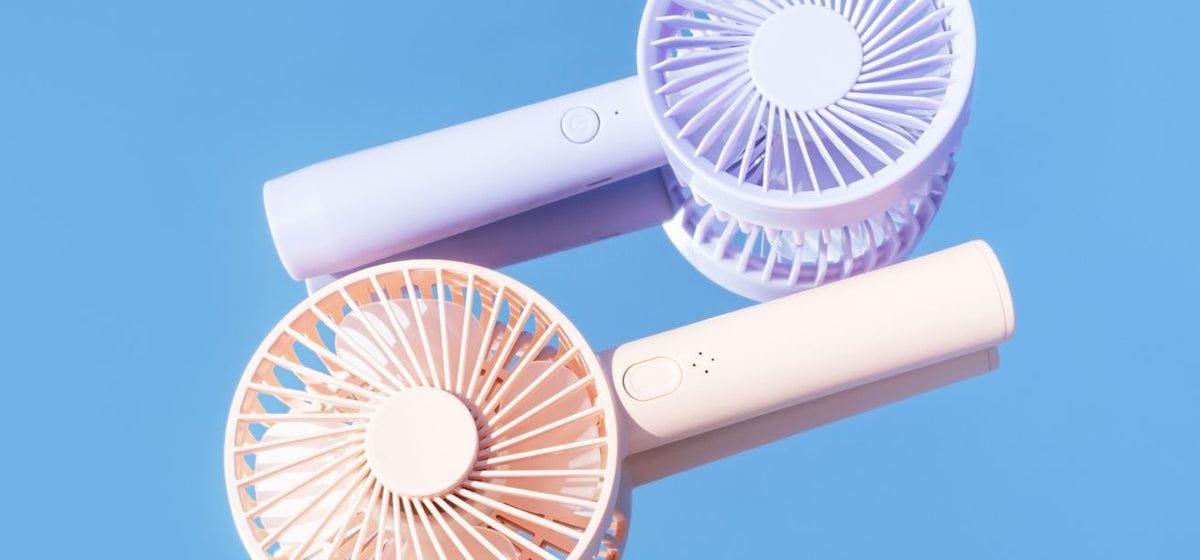
Cool your environment. Air conditioning is not a luxury; it’s a meaningful wellness tool when you're managing vasomotor symptoms. Bedroom temperature significantly affects night sweats and sleep quality, and cooler sleeping space is one of the most impactful lifestyle changes you can make. Since humidity also has compounding effects on night sweats, a dehumidifier is something else you may want to consider. If you don’t have access to an air conditioner, portable fans and cooling towels can give you quick relief when an episode hits.
-
Practice deep breathing. Slow, controlled deep breathing during a hot flash may help reduce its duration. It also activates the parasympathetic nervous system, which helps lower stress, removing one more trigger from the equation.
-
Time your exercise. Regular moderate movement supports hormonal balance and overall women's health during menopause, but outdoor exercise in peak summer heat raises core body temperature fast. Shift workouts to early morning, evening, or to climate-controlled spaces, like the local gym, during the hottest stretch of summer.
- Consider targeted supplemental support. Happy V's Menopause Relief AM + PM is a dual-action, hormone-free formula designed to work with your body's natural circadian rhythm. The AM capsule contains Genistein (a phytoestrogen that supports healthy estrogen metabolism) along with HMRlignan™ (or Norway Spruce extract), which has been shown to help reduce the frequency and intensity of hot flashes. The PM capsule brings in Graminex® Flower Pollen Extract to help regulate your body's thermostat at night, plus HMRlignan™ again for night sweat relief. Together, they offer round-the-clock support through the hottest months of the year.
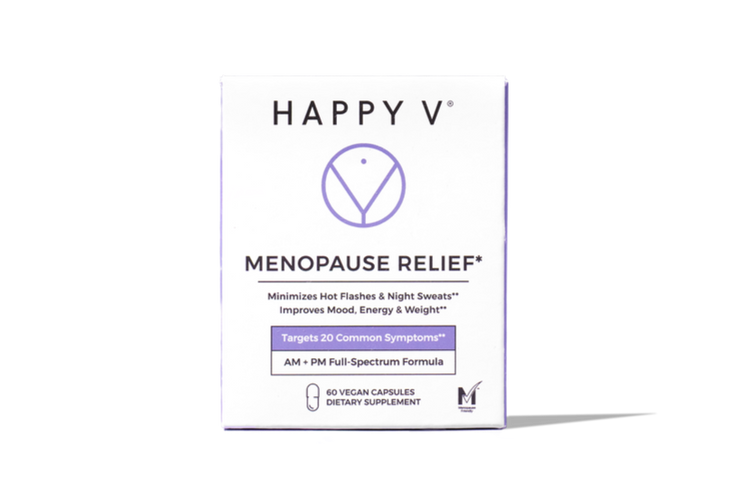
Menopause Relief AM + PM
Supports mood, energy and weight. Minimizes hot flashes and night sweats.
And if you ever feel like hot flashes are affecting your mental health, know that the connection between menopause symptoms and mood is real. Estrogen influences serotonin regulation, which is part of why anxiety, mood swings, and depressive symptoms are common during this transition, and the sleep disruption that night sweats bring makes everything worse.6
While summer is often seen as a carefree time, it also comes with crowded social events, travel stress, and disrupted routines, all of which can take a toll on emotional well-being.7 If that resonates, know that cognitive behavioral therapy (or CBT) has solid evidence behind it for both emotional symptoms and hot flash frequency. Your gynecologist or a menopause specialist can help connect you with a local provider.
When to See a Doctor
Small lifestyle adjustments can go a long way in helping women manage hot flashes. But sometimes, they just aren’t enough.8 And there’s no shame in needing some extra support, now or ever.
Talk to a provider if:
- Severe hot flashes are significantly disrupting sleep or daily function
- You're experiencing persistent mood changes, anxiety, or depression
- You want to explore hormone therapy or other treatment options
Hormone therapy (or HT) remains one of the most effective treatments for vasomotor symptoms and is appropriate for many women, though not everyone.9 Women with certain personal or family histories, including breast cancer, should discuss risks carefully with their provider.
Non-hormonal prescription medications are also available. SSRIs and other antidepressants have demonstrated effectiveness for hot flashes in women who can't or prefer not to use hormone therapy.10
Women with a history of osteoporosis should also flag this during menopause conversations, as declining estrogen levels affect bone density.
Final Thoughts
Hot flashes are already one of the more challenging symptoms of menopause, and summer only makes things worse. Understanding the physiology helps: when you know why the hypothalamus reacts the way it does and what pushes it over the edge, the lifestyle changes that actually help start to make intuitive sense.
Track your triggers, cool your environment, protect your sleep, and don't hesitate to loop in a healthcare provider if symptoms are significantly affecting your quality of life.
Keep the Conversation Going
- Visit our blog for more women's health tips.
- Join our private Happy V Facebook group to hear from others who’ve been there.
- Explore supplements designed to support your vaginal health journey.
Disclaimer: This blog is for informational and educational purposes only and is not intended to diagnose, treat, cure, or prevent any disease. Statements about supplements have not been evaluated by the Food and Drug Administration. For more information about vaginal infections, visit the CDC or speak to a licensed healthcare provider.