

- Fact Checked
- April 20, 2026
- 10 min read
Why Is My Labia Chafing? Causes, Relief, and Prevention

-
Written by
Hans Graubard
• Updated on May 14, 2026

Dietary supplement manufacturing, regulatory and product development, and DTCt; leadership experience...
- Updated on May 14, 2026
Table of Contents
Table of Contents
Reading a blog post on labia chafing might not have been how you planned your day going. But then you finished a workout or took a long walk or just wore the wrong pair of jeans, and you felt firsthand how distracting it can be. The burning, the rawness, the irritation… it's one of those things no one really talks about, but a lot of women experience. The good news: it's common, it's manageable, and once you understand what's driving it, it's largely preventable.
Here's everything you need to know about labia chafing, including why it happens, how to find relief, and when it might not be labia chafing after all.
This post is for informational purposes only and does not constitute medical advice. See full disclaimer below.
What Is Labia Chafing?
Labia chafing is kind of what it sounds like. It’s chafing, or irritation, of the labia (aka the folds of skin that surround the vaginal opening).1 Most often, it’s caused by repeated friction, moisture, or an unlucky combination of both. Chafing can affect both the labia majora (the outer lips) and labia minora (the inner lips), and it can range from mild discomfort to genuinely painful skin irritation that interferes with daily life.
It makes sense why the labia are so prone to irritation. The entire vulva is sensitive skin. It's also warm, prone to moisture, and often in contact with clothing, all of which make it a prime candidate for chafing, especially when the conditions are right.2
Symptoms: What Labia Chafing Actually Feels Like
What labia chafing actually feels like can vary from person to person, depending on how sensitive a person’s skin is and how severe the chafing is.3 Even if symptoms are mild, it’s not exactly a fun experience.
The full range of symptoms, from mild to far more severe, includes:
- Redness and skin irritation in the labial area
- Stinging or burning sensation, especially after friction or when urine contacts the area
- Swelling or puffiness
- Dry, flaky skin or a chafing rash
- Raised bumps, welts, or blistering in more severe cases
- Open sores if chafing has gone untreated or the skin has broken down
- Painful urination if urine touches raw skin
- Discoloration from repeated skin rubbing over time
While all these symptoms are physically uncomfortable, there are other side effects worth talking about, particularly when it comes to quality of life. Persistent labial discomfort can make exercise uncomfortable enough to avoid, make certain clothing unwearable, and affect sexual satisfaction and function.4
Discomfort in this area is worth addressing. It's not cosmetic, it's not vanity, and it doesn't have to be the price of being active or wearing the clothes you want to wear. If you are experiencing these symptoms along with others like unusual vagina discharge, itching inside the vagina, and a strong odor, that’s especially worth addressing, since your chafing is likely due to something beyond friction or wet clothing (more on that in just a bit).5
Causes of Labia Chafing
Labia chafing rarely has a single cause. More often, it's a combination of factors, from clothing to activity to hormones, that add up to some seriously irritated skin.6
Here are the most common contributors.
Friction from Clothing and Activity
This is the most common culprit. Tight clothing (think: fitted leggings, skinny jeans, or thongs) creates constant friction against the labia.7 Synthetic underwear makes this worse because it traps heat and moisture (see below) rather than allowing airflow, and the fabric itself can be rougher against sensitive skin when compared to natural, breathable cotton.
If you are active, this also creates more friction, as activities like cycling, running, and anything else that involves repetitive leg movement generate sustained friction between the thighs and the labial area, especially when you add sweat to the equation.
Moisture
Moisture softens and weakens skin, making it more vulnerable to chafing. Sweat during exercise, wet swimwear, or simply walking around in a humid environment can all set the stage for skin rubbing to cause irritation faster than it would on dry skin.8 This is one of the reasons it’s so important to change out of workout clothes and swimsuits as soon as possible.
Anatomical Variations
Labia come in a wide range of shapes and sizes, determined by genetics.9 Some women, in particular, have enlarged labia minora (or labial hypertrophy), where the inner lips extend beyond the outer lips. This isn't a medical problem, but it does mean there’s simply more tissue to rub against clothing, especially tight clothing.
Other body characteristics, like fuller inner thighs, also affect how much friction the labia experiences during movement.
Hormonal Changes
Estrogen helps maintain the thickness and moisture of vulvar skin.10 When estrogen levels drop, as they do during menopause, postpartum recovery, or while breastfeeding, the skin in this area can become thinner, drier, and more prone to irritation.
Hair Removal
Shaving or waxing the pubic area removes the hair that naturally cushions the labia from friction. Freshly shaved or waxed skin is also more sensitive, and ingrown hairs or razor burn can compound the irritation.11
Skin Conditions and Infections
Eczema, psoriasis, and contact dermatitis can all affect the vulva and make the skin more reactive to friction or irritants.
Vaginitis, yeast infections, and other infections can also cause external irritation that mimics or worsens chafing.12 With infections, though, you will typically notice other symptoms alongside external itching and irritation that clue you in to something larger going on.
Home Remedies and Immediate Relief
If you're dealing with mild to moderate chafing, you can actually find some degree of relief pretty immediately, while also setting your skin up to heal.13
When you notice chafing symptoms:
- Clean gently. Rinse with mild soap. Skip anything harsh or scented, even if it’s advertised as "feminine hygiene.” Many of these products are irritants in disguise. Absolutely avoid douching, which disrupts the vaginal microbiome and can worsen irritation.14
- Apply a cold compress. Wrapping an ice pack or cold pack in a cloth and applying it to the affected area can reduce swelling and provide immediate relief.
- Create a barrier. Petroleum jelly or a fragrance-free barrier cream applied to chafed skin reduces further friction from clothing while the area heals.
- Let it breathe. Loose-fitting clothing and breathable fabrics give irritated skin a better healing environment. Going without underwear to sleep can also help.
- Skip the irritants while healing. Fragrance-free products only. No harsh soaps, no tight clothing, no synthetic underwear until the skin has recovered.
Treatment Options
For mild to moderate chafing, the home remedies above are usually sufficient. If your chafing is more severe or has been going on for a long time, additional treatments may help. All of these should be discussed with your doctor first. As uncomfortable as it can be to talk to a doctor about labia chafing, they have seen it all before, and they can make sure your chafing isn’t due to anything larger, like an infection, before recommending additional treatments.
Beyond home remedies, other treatment options for labia chafing include:
- Over-the-counter creams: A gentle hydrocortisone cream can reduce inflammation and itching. Antifungal lotions are appropriate if a yeast infection is contributing to the irritation. Barrier creams and skin protectants, such as Vaseline, help both treat active chafing and prevent recurrence.
- Lubricants: For women experiencing dryness- or hormone-related chafing, a fragrance-free vaginal moisturizer or lubricant can restore some of the moisture the skin needs to stay resilient.
- Prescription treatments: If over-the-counter options aren't doing the job, a healthcare provider may prescribe a stronger topical treatment, antibiotics for a skin infection, or topical estrogen for hormonally driven dryness and thinning.
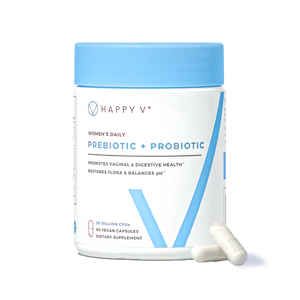
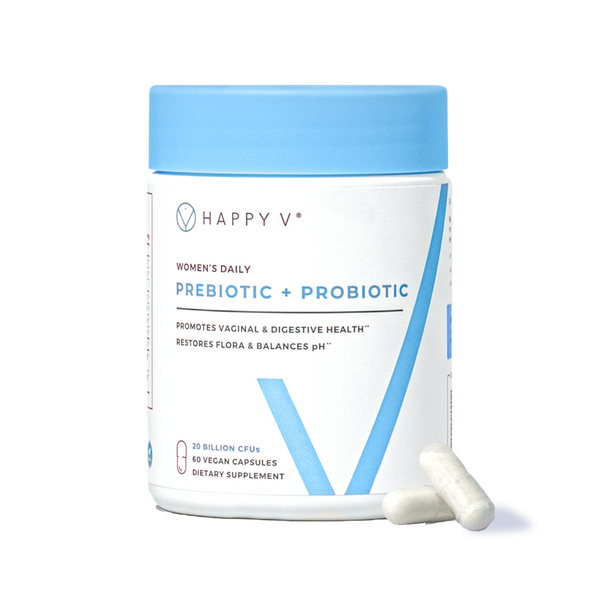
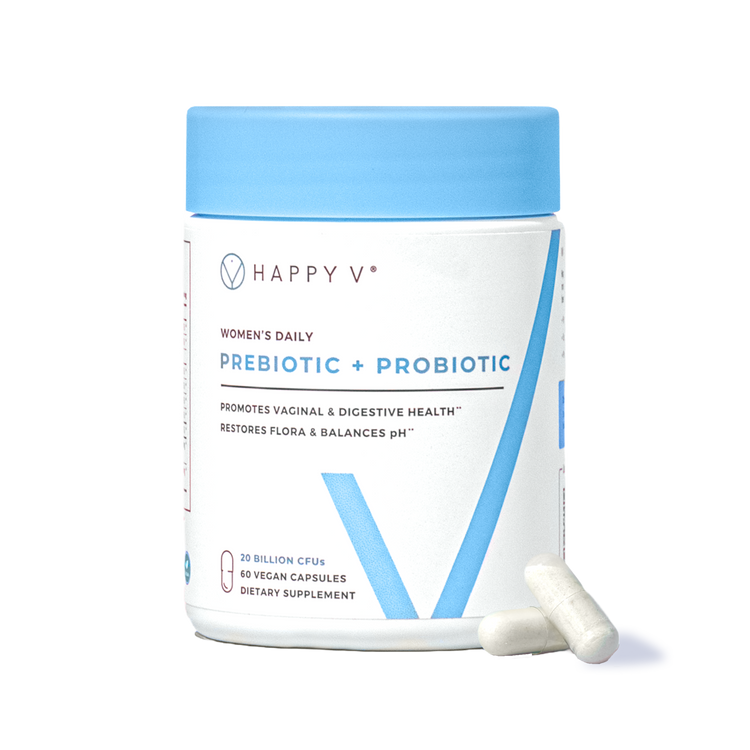
- Supporting your vaginal microbiome: Chafing and inflammation don't happen in a vacuum. They affect the whole ecosystem of the vulvovaginal area. A quality probiotic formulated for vaginal health, like Happy V's Prebiotic + Probiotic, can help support the balance of beneficial bacteria that keeps the vaginal environment healthy and feeling like it should.
 Bestseller
Prebiotic + Probiotic
Maintains vaginal pH and restores gut health.
- Surgical options: For women whose chafing is directly related to labial hypertrophy and significantly impacts their quality of life, labiaplasty, or a surgical labia minora reduction, is an option worth discussing with a healthcare provider.15 This is a personal decision, not a necessary one, and most women find that good prevention and management strategies are sufficient.
Prevention Strategies
Once you’ve experienced labia chafing, you definitely want to keep it from coming back. More often than not, that’s entirely possible. It all comes down to a few, simple, consistent habits, like:
- Choose the right underwear. Cotton underwear is your best option. For so many reasons. It's breathable and gentle on sensitive skin. Special moisture-wicking underwear can be a good choice for workouts if you are prone to chafing, and seamless styles reduce the number of seams that can dig in and cause friction.
- Reconsider tight clothing for high-friction activities. This doesn't mean you can never wear leggings or skinny jeans, but if you're doing a long run or a cycling class, wearing tight synthetic clothing without the right underwear underneath is a setup for chafing.
- Use anti-chafing products proactively. Barrier creams, chafing relief products (like Megababe or Body Glide), or even a thin layer of petroleum jelly applied before chafing-prone activity creates a protective layer that reduces friction before it starts. Padding or athletic tape can also help in specific high-friction zones.
- Adjust hair removal practices. Trimming pubic hair instead of shaving can keep you feeling groomed while avoiding the heightened sensitivity and ingrown hair risk of close shaving.
- Practice gentle hygiene. Wash the vulvar area with mild, unscented soap only. Scented products contain irritating chemicals. Avoid douching, and pat dry (don't rub) after washing.
- Address moisture. Change out of wet workout clothes or swimwear promptly. Also allow the area to dry fully before dressing.
- Support hormonal skin changes. If dryness related to menopause or other hormonal shifts is contributing to chafing, talk to your provider about options. Vaginal moisturizers used regularly (not just during sex) can make a meaningful difference.
When to See a Healthcare Provider
Most labia chafing resolves with home care within a few days. But there are situations where it's worth getting a professional evaluation.
See a gynecologist or dermatologist if:
- Symptoms don't improve after a week of home treatment
- You notice swelling, bumps, or open sores that aren't healing
- You have unusual vaginal discharge, strong odor, or internal itching
- Painful urination persists or gets worse
- You have a history of skin conditions like eczema or psoriasis that may be flaring
- You're experiencing recurrent chafing that significantly impacts your quality of life
Your doctor will help you rule out underlying infections like bacterial vaginosis, yeast infections, and STIs, along with skin conditions or other issues that look like chafing but require different treatment. In some cases, a scraping sample may be taken to identify the cause of persistent symptoms. Don't ever self-treat something that might be an infection. You could guess wrong and end up “treating” the wrong thing, leaving symptoms to just get worse, not better.
Final Thoughts
Labia chafing isn't exactly a dinner table topic. But that doesn’t mean it isn’t common, isn’t real, and should just be ignored. A few small changes (think: the right underwear, a barrier cream before a run, and a gentler soap) can make a bigger difference than you'd expect. And if symptoms point to something more than simple chafing, that's worth a conversation with your doctor.
Keep the Conversation Going
- Visit our blog for more women's health tips.
- Join our private Happy V Facebook group to hear from others who've been there.
- Explore supplements designed to support your vaginal health journey.
Disclaimer: This blog is for informational and educational purposes only and is not intended to diagnose, treat, cure, or prevent any disease. Statements about supplements have not been evaluated by the Food and Drug Administration. For more information about vaginal infections, visit the CDC or speak to a licensed healthcare provider.