



- Fact Checked
- April 27, 2026
- 9 min read
How to Maintain Your Sex Life with Frequent UTIs: Your Complete 2026 Guide

- Written by Daniella Levy • Updated on July 07, 2026
- Updated on July 07, 2026

Table of Contents
Table of Contents
If you've ever felt that telltale burn and frequent (and annoying) urge to “go” within a day or two of sex, you already know how demoralizing it can be. A UTI after sex can make intimacy feel like something to dread instead of enjoy. And if it keeps happening, it's easy to start wondering whether your sex life and your urinary health are just fundamentally at odds.
Short answer: they're not. Research shows that frequency of sexual intercourse is the strongest independent risk factor for UTIs in young women, and studies have found that roughly 75-80% of UTIs in premenopausal women occur within 24 hours of intercourse. But research also shows there’s a lot you can actually do about it. There are real, evidence-based strategies that work to keep UTI symptoms from flaring after sex. And that’s exactly what this guide is all about.
This post is for informational purposes only and does not constitute medical advice. See full disclaimer below.
Why Does Sexual Activity Increase UTI Risk?
Before we dive into how to break the connection between sex and UTI symptoms, we need to understand what that connection is and why it’s so strong.1
The first issue comes down to basic anatomy. The female urethra is significantly shorter than the male urethra, which gives harmful bacteria like E. coli (which is responsible for roughly 80-90% of all UTIs) a much shorter path to the bladder.2 During penetrative sex, bacteria from the genital area and perianal region can be pushed toward and into the urethral opening. This is actually the primary reason why UTIs after sex are so common.
While your anatomy is out of your control, there are other risk factors that increase UTI risk that are entirely within your control, starting with your form of contraception.3 Spermicides and diaphragms can disrupt the vaginal microbiome and encourage bacterial overgrowth. If you also have a sexual partner, multiple partners, or a personal history of recurrent UTIs, these all increase your risk of a UTI after sex. Sex isn’t just about penetration, either. Anal sex and oral sex can also introduce bacteria to the genital area that may travel to the urethra.
The final factor to consider is age and life stage. Women going through menopause face additional challenges when it comes to UTIs. That’s because declining estrogen levels can reduce protective Lactobacillus colonies in the vaginal tract, which may be why sexual intercourse has been associated with a 3.4-fold increase in UTI risk within 48 hours in menopausal women.4
Common UTI symptoms for women of any age include:
- A burning sensation during urination
- Frequent or urgent urges to urinate
- Cloudy, dark, or strong-smelling urine
- Pressure or discomfort in the lower abdomen
If symptoms of a UTI progress to fever, chills, or lower back pain, this may signal a kidney infection (also called pyelonephritis), which is serious and requires immediate medical attention. A good rule of thumb when it comes to any kind of urinary symptoms is to seek treatment from a professional sooner than later. A bladder infection caught early is much easier to treat than one that has traveled to the ureters or kidneys.5
7 Science-Backed Ways to Reduce UTI Risk After Sex
While the link between UTIs and sex is real, you don’t have to swear off sex to stay comfortable and healthy. Here are seven evidence-based strategies to reduce your risk of infection while keeping your sex life alive.
1. Urinate Before and After Sex
Post-coital voiding (aka peeing after sex) is one of the most widely recommended habits for preventing a UTI after sex.6 While large-scale clinical trials on this specific practice are limited, several clinical guidelines, including those from the CDC, recommend urinating after sexual intercourse to help flush bacteria from the urethra. You don't need to sprint to the bathroom after sex (that’s pretty unromantic), but going within 15-30 minutes carries no risk and may offer a meaningful layer of protection, especially if you have a history of recurrent UTIs.
2. Drink Plenty of Water
Hydration is one of the simplest and most effective tools you have. A landmark randomized clinical trial published in JAMA Internal Medicine found that premenopausal women who increased their daily water intake by 1.5 liters (that’s about 6 cups) experienced 48% fewer UTI episodes over 12 months compared to those who maintained their usual intake.7
This simple strategy works because drinking lots of water dilutes urine and increases urination frequency, which helps flush bacteria out of the urinary system before an infection takes hold. Aim for at least six to eight glasses of water daily, and consider adding a glass of water before and after intimacy for good measure.8
3. Try D-Mannose Supplements
D-Mannose is a naturally occurring simple sugar that may help support urinary tract health by interfering with E. coli's ability to adhere to the bladder lining.9 A 2024 network meta-analysis of 50 randomized controlled trials found that D-Mannose was associated with a significant reduction in UTI incidence compared to placebo. For women dealing with recurrent UTIs triggered by sex, D-Mannose offers a science-backed, non-antibiotic option worth discussing with your healthcare provider.
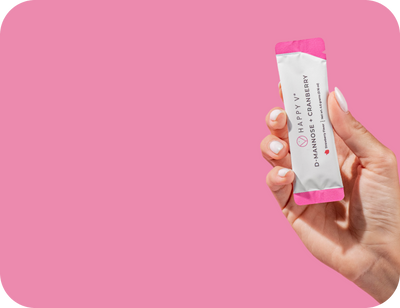
Happy V's D-Mannose + Cranberry combines 500 mg of clinically studied UClear® D-Mannose with 500 mg of Pacran® whole cranberry extract. This combination was purposeful, as cranberry was also shown in the same meta-analysis to significantly reduce UTI incidence, and together these two ingredients offer complementary support for urinary tract wellness. This powerful formula comes as both a capsule and a convenient powder for life on-the-go.

D-Mannose + Cranberry
Supports urinary tract health and promotes long-term wellness.
4. Use Cranberry Consistently (but Skip the Juice)
We mentioned that cranberry itself has strong evidence when it comes to UTI reduction, and that’s true.10 A systematic review confirmed that cranberry products may help reduce the risk of recurrent UTIs in women. But these products do not include standard grocery store juices. Cranberry juice cocktails are unlikely to provide meaningful protection because they contain lots of added sugar with limited antioxidants, but standardized whole-fruit cranberry extracts have shown more promise in the research. Happy V's D-Mannose + Cranberry uses Pacran® at the same 500 mg dose used in clinical research.
5. Support Your Vaginal Microbiome with Probiotics
Wait, why are we talking about the vagina? Aren’t we talking about infections in the urinary tract? Well, the two systems are pretty closely related. They are neighbors, after all, meaning a healthy vagina can also support urinary health.
A healthy vaginal microbiome is one dominated by Lactobacillus species. These Lactobacillus strains help maintain an acidic vaginal pH and may reduce colonization by the bacteria responsible for bladder infections and recurrent urinary tract infections.11
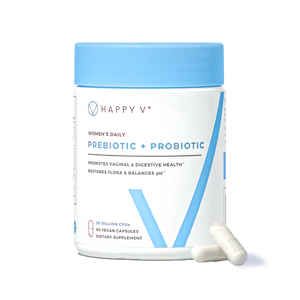
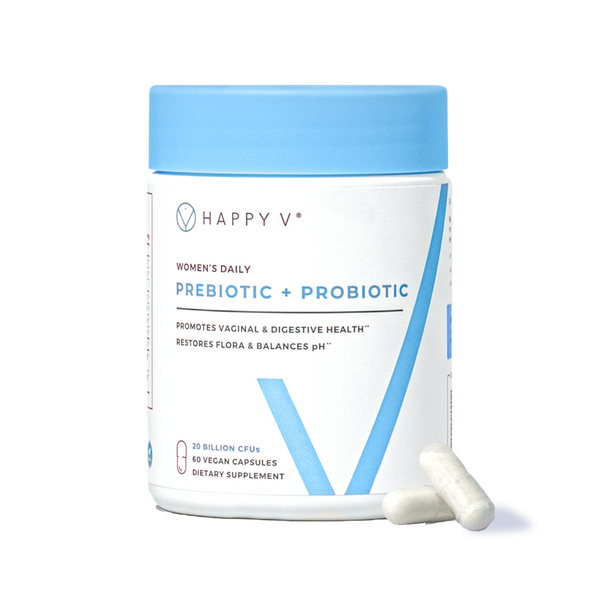
Happy V's Prebiotic + Probiotic contains seven clinically studied probiotic strains, including L. rhamnosus HN001™ and L. acidophilus LA-14®. In a clinical study, 83% of women taking these strains reported improved vaginal wellness over six months. And when you have better vaginal wellness, your body is better equipped to fend off the bacteria behind UTIs after sex.
6. Rethink Your Birth Control
If you're using spermicide, a diaphragm, or spermicide-coated condoms, these products may be contributing to your recurrent UTIs.12 Research has consistently linked spermicide use to a higher risk of UTI after sex, as these products can alter the vaginal microbiome and increase E. coli colonization. Douching carries similar risks, so ditch the douche and talk to your gynecologist or healthcare provider about alternative birth control options that are gentler on your vaginal and urinary health.
7. Practice Good Intimate Hygiene
Simple hygiene habits can make a meaningful difference in your risk of infection. Case and point? Wiping correctly. Always wipe front to back after using the restroom. And when you’re washing, stick with warm water and mild, unscented soap. Scented soaps, feminine sprays, or douching can disrupt your natural microbiome. If sex toys are a part of your sex life, make sure they are cleaned thoroughly after every use, and if you’re wearing synthetic underwear (like nylon), consider switching to breathable cotton and be mindful to change out of wet or sweaty clothing promptly. These habits are consistently included in clinical guidelines for reducing UTI risk.
What About STIs?
Though we’ve been talking exclusively about urinary tract infections, it’s important to mention that sexually transmitted infections (STIs) can sometimes mimic the common symptoms of a UTI. Chlamydia, gonorrhea, and other STIs can cause burning, urgency, and discharge that feel like a bladder infection, but aren’t. If you have a new sexual partner or are experiencing symptoms alongside unusual discharge, talk to your gynecologist or healthcare provider about STI screening alongside a UTI evaluation. Don’t try to treat them at home.
When to Seek Medical Attention
Preventive strategies are powerful, but they're never a substitute for medical care when you need it. Remember, prompt care can prevent serious or even life-threatening complications.
See your healthcare provider, urologist, or gynecologist if you notice any of the following:
- Three or more UTIs in a year
- Symptoms that aren't improving despite preventive efforts
- Blood in your urine
- Fever or chills
- Lower back or flank pain (which can signal a kidney infection)
At your appointment, your provider may recommend urine cultures, a course of antibiotics, or screening for antibiotic resistance to get to the bottom of what's driving your recurrent urinary tract infections.
Final Thoughts
Recurrent UTIs after sex are exhausting, but they're not something you just have to accept. Start with the basics, then build from there. And if infections keep coming back despite your best efforts, loop in your healthcare provider. You deserve to feel good, in every sense of the word.
Keep the Conversation Going
- Visit our blog for more women's health tips.
- Join our private Happy V Facebook group to hear from others who've been there.
- Explore supplements designed to support your vaginal health journey.
Disclaimer: This blog is for informational and educational purposes only and is not intended to diagnose, treat, cure, or prevent any disease. Statements about supplements have not been evaluated by the Food and Drug Administration. For more information about vaginal infections, visit the CDC or speak to a licensed healthcare provider.